



Discover essential tips for using O-PCE safely and effectively, while exploring harm-reduction strategies to minimize risks and enhance your experience. Learn how to prioritize safety and well-being in your journey with this substance.
Using O-PCE safely and Harm-reduction
O-PCE is a dissociative research substance that falls under the category of arylcyclohexylamines. This class of compounds is known for its ability to induce altered perception, dissociation, and introspective experiences. Many individuals are drawn to O-PCE for its unique effects, which can range from profound insights to a sense of detachment from reality. However, with the allure of such experiences comes the responsibility of ensuring safety during use. If you decide to use O-PCE, it is crucial to focus on safety, preparation, and looking out for one another. These elements can significantly reduce potential harms and enhance the overall experience. Harm reduction is a philosophy that acknowledges that substance use occurs and aims to provide practical, nonjudgmental strategies to minimize risks. It emphasizes the importance of supporting friends who use substances, fostering an environment of care and understanding. By staying curious, remaining kind, and prioritizing both preparation and aftercare, you can make your experience with O-PCE as safe and positive as possible.
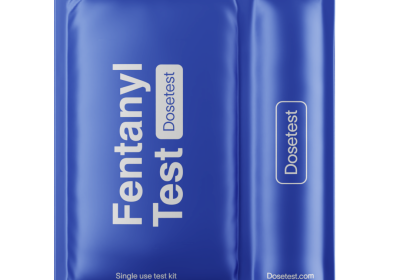
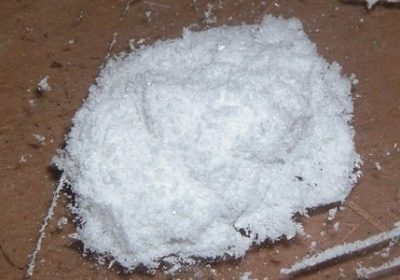
When it comes to the practical aspects of using O-PCE safely, there are several evidence-informed tips that can help mitigate risks. These include testing the substance, careful dosing, creating a suitable setting, and ensuring adequate support. Each of these factors plays a vital role in reducing common risks associated with dissociative substances and helps you respond effectively if something goes awry. One of the most critical steps is to always test substances with reagent kits. These kits allow you to check for adulterants and confirm the identity of the substance you are about to consume. This step is essential because many substances can be misrepresented, and knowing exactly what you are taking can significantly impact your safety. Additionally, using a small scale for accurate measurement is crucial. If you are dealing with powder, starting with a very low measured volumetric or oral dose is advisable. Many individuals who try O-PCE for the first time choose to begin at a fraction of a typical active dose and gradually titrate up. This cautious approach allows you to gauge your body’s response to the substance without overwhelming yourself.
Another important consideration is the timing of re-dosing. It is advisable to avoid re-dosing too quickly. After taking O-PCE, it is essential to wait and give the compound time to take full effect. Dissociatives can have delayed peaks, meaning that the effects may not be immediately apparent. Re-dosing too soon can increase the risk of overdose, which can have serious consequences. If you are unsure about the potency of the substance, it is generally safer to prefer oral or sublingual routes of administration. These methods tend to provide a more predictable experience compared to intranasal use, which can be more intense and unpredictable. Furthermore, it is highly recommended to avoid injecting O-PCE. The risks associated with injecting substances, including the need for sterile technique and the potential for complications, add unnecessary layers of danger that are not warranted for dissociatives like O-PCE.
Having a sober, trusted friend present during your experience is another crucial safety measure. This person, often referred to as a tripsitter, should be someone who knows your baseline behavior and can monitor your breathing and responsiveness throughout the experience. In the event that something goes wrong, having a tripsitter who is prepared to seek help can be invaluable. If you are in the process of creating a safer plan for your O-PCE experience, consider the following actionable points:
- Test your substance with multiple reagent kits (e.g., Marquis, Mecke, Mandelin) and consider sending a sample to a drug checking service where available. This step can provide additional assurance about the substance’s identity and purity.
- Use precise scales or volumetric dosing; if measuring is challenging, start at very low fractions and wait 60–90+ minutes before considering taking more. This cautious approach allows you to assess how the substance affects you before increasing the dose.
- Set your environment: calm lighting, familiar space, and remove sharp objects or hazards; plan quiet activities like calming music, weighted blankets, or dim lighting. A comfortable and safe environment can significantly enhance your experience.
- Have a sober tripsitter who knows when to call emergency services (unresponsiveness, severely erratic breathing, chest pain, or signs of extreme agitation/psychosis). This person can provide crucial support in case of an emergency.
- Avoid mixing O-PCE with alcohol, opioids, or benzodiazepines because combined respiratory or cognitive depression is dangerous; mixing with stimulants raises cardiovascular risks and can complicate anxiety or psychosis. Understanding the interactions between substances is vital for your safety.
- Stay hydrated and have light food available; dissociatives can reduce awareness of thirst or hunger, increasing the risk of fainting or poor recovery. Keeping snacks and water nearby can help mitigate these risks.
- Plan transportation ahead of time — do not drive or operate heavy machinery while under the influence and for many hours after. Ensuring you have a safe way to get home is essential for your wellbeing.
Long-term and aftercare considerations are equally important for ongoing wellbeing. Chronic or frequent use of arylcyclohexylamines, including O-PCE, has documented risks such as bladder and urinary tract issues, cognitive fog, and emotional disturbances. It is essential to limit the frequency of use and take extended breaks between sessions. Monitoring for signs of urinary pain, frequency, or incontinence is crucial, and seeking medical attention early if these symptoms occur can prevent more severe complications. If you experience intense anxiety, panic, or psychotic symptoms during or after your experience, having a calm, non-confrontational presence can be incredibly helpful. Removing stimulation from the environment, speaking softly, and encouraging slow, deep breathing can help ground you while a sober person assesses whether emergency services are needed. In cases of severe agitation or self-harm risk, trained responders may use benzodiazepines in a medical setting to help stabilize the individual. It is vital for families and friends to prioritize immediate, compassionate help in these situations.
Peer care is an essential aspect of harm reduction. Checking in with friends before, during, and after sessions can foster a supportive environment. Sharing dosing plans and emergency contacts, agreeing on boundaries ahead of time, and helping each other with grounding techniques and aftercare can enhance safety and wellbeing. Aftercare is not just about physical recovery; it also involves emotional support. Engaging in gentle social interactions, discussing experiences, and providing reassurance can help individuals process their experiences in a healthy way. Harm reduction also includes practical supplies and preparedness. Carrying a charged phone and having emergency numbers accessible can make a significant difference in a crisis. Keeping clean water, snacks, and comfortable blankets nearby ensures that you are physically cared for during your experience. Bringing a small first-aid kit and knowing how to describe symptoms to medical staff without fear of stigma is crucial; excellent outcomes depend on honest information being shared with healthcare providers. Additionally, disposing of paraphernalia safely and using new, sterile equipment if required for any reason is essential for minimizing health risks.
Finally, consider joining local harm-reduction communities, drug-checking services, or online forums. These platforms can provide valuable resources, support, and information about batches and experiences in a collaborative and understanding environment. Engaging with others who share similar interests and concerns can foster a sense of community and provide additional safety nets for individuals exploring substances like O-PCE. By prioritizing harm reduction and safety, you can create a more positive and enriching experience while minimizing the risks associated with substance use.