



Portugal is the 2025 Economy of the Year
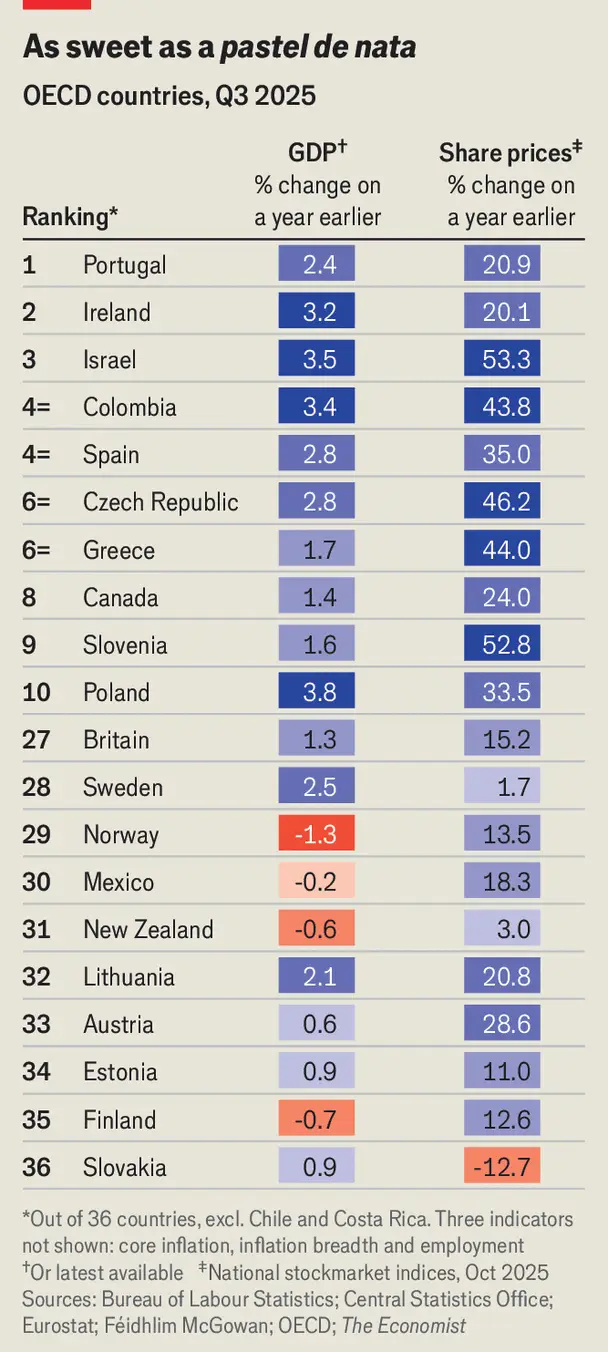
Portugal’s Progressive Drug Policy turns out have made the country Economically very successfull
The History and Implementation of Drug Decriminalization
In 2001, Portugal made a bold move that many countries still hesitate to consider: it decriminalized the personal use and possession of all drugs. This wasn’t about legalizing drugs outright, but rather shifting the approach from criminal punishment to public health. Instead of jailing users, Portugal treats drug use as a medical and social issue, offering support and rehabilitation.

This policy change came after years of rising drug addiction and HIV infection rates. The government recognized that criminalization was failing to curb drug use and was instead exacerbating social problems. By removing criminal penalties for possession of small amounts, Portugal encouraged users to seek help without fear of legal repercussions. This shift was accompanied by the creation of Commissions for the Dissuasion of Drug Addiction, which focus on education and treatment rather than punishment.
Public Health Outcomes and Reduced Addiction Rates
The results have been nothing short of remarkable. Since decriminalization, Portugal has seen a dramatic drop in overdose deaths, HIV transmission rates among drug users, and drug-related crime. The number of people seeking treatment has increased significantly, showing that removing the threat of incarceration encourages recovery efforts.
Studies have shown that drug use among adolescents has not spiked, dispelling fears that decriminalization would lead to widespread abuse. Instead, Portugal’s approach has fostered a healthier, more informed society. The focus on harm reduction and rehabilitation over punishment has saved countless lives and reduced the stigma surrounding addiction. Moreover, the success of this policy has inspired other countries to reconsider their own drug laws, with some looking to Portugal as a model for reform. The international community has begun to recognize that treating addiction as a health issue rather than a criminal one can lead to more effective outcomes. This shift in perspective is crucial, as it not only addresses the immediate needs of individuals struggling with addiction but also promotes a broader understanding of drug use as a complex social phenomenon that requires comprehensive strategies.
In addition to the health benefits, Portugal’s drug policy has also had a positive economic impact. By reducing the burden on the criminal justice system, resources can be redirected towards prevention and treatment programs. This not only alleviates the costs associated with incarceration but also fosters a more productive society where individuals can reintegrate and contribute positively to their communities. The emphasis on social reintegration has led to innovative programs that provide education and job training for recovering addicts, further enhancing the effectiveness of the decriminalization strategy. As a result, Portugal stands as a testament to the potential of progressive drug policies to create a more compassionate and effective response to drug-related issues.
Economic Renaissance in Portugal
Key Factors Behind Portugal’s Economic Success in 2025
Fast forward to 2025, and Portugal is not just a model for drug policy but also a shining example of economic vitality. The country’s GDP growth rate has surged, unemployment is at historic lows, and foreign investment is pouring in. What’s driving this renaissance?
One major factor is the stability and social cohesion fostered by progressive policies like drug decriminalization. When people feel secure and supported, productivity rises. Portugal has also invested heavily in technology, renewable energy, and tourism, sectors that have fueled job creation and innovation. The government’s commitment to education and infrastructure has laid a strong foundation for sustainable growth. Notably, the rise of tech startups in Lisbon has transformed the city into a vibrant hub for innovation, attracting young entrepreneurs and fostering a culture of creativity. This influx of talent has not only invigorated the local economy but has also positioned Portugal as a key player in the European tech landscape.
Sustainable Growth Models and International Recognition
Portugal’s economic strategy emphasizes sustainability, balancing rapid development with environmental responsibility. Investments in solar and wind energy have positioned the country as a leader in green technology. This forward-thinking approach has earned Portugal accolades from international organizations and boosted its reputation as a destination for ethical investment. The government has also implemented policies encouraging businesses to adopt sustainable practices, further enhancing the country’s appeal to eco-conscious investors. Initiatives such as tax incentives for green businesses and funding for research in sustainable agriculture have contributed to a flourishing economy that respects the planet.
Moreover, Portugal’s integration into global markets, combined with a skilled workforce and competitive business environment, has attracted multinational corporations. The country’s economic resilience was especially evident during recent global challenges, where it managed to maintain steady growth while many peers struggled. The strategic location of Portugal as a gateway to both Europe and Africa has also played a pivotal role in its economic strategy, allowing for enhanced trade routes and partnerships. As a result, Portuguese ports have seen an increase in activity, facilitating not only the import and export of goods but also serving as a logistics hub for companies looking to expand their reach into new markets.
Lessons for Global Policy Reform
Balancing Social Welfare and Economic Development
Portugal’s story offers a powerful lesson: social welfare and economic development are not mutually exclusive. Decriminalizing drugs was initially a public health decision, but it also created a ripple effect that boosted economic stability. When citizens are healthier and less burdened by the criminal justice system, they contribute more effectively to the economy. The reduction in drug-related crime has not only improved public safety but has also allowed law enforcement resources to be redirected towards more pressing issues, enhancing overall community well-being.
Governments worldwide often face the dilemma of choosing between tough law enforcement and social support. Portugal’s experience shows that investing in social welfare can lead to stronger economies. It’s a reminder that policies centered on compassion and pragmatism yield long-term benefits. Furthermore, the societal shift towards viewing addiction as a health issue rather than a criminal one has fostered a more inclusive environment, encouraging individuals to seek help without fear of stigma or legal repercussions. This cultural transformation is crucial for sustainable progress.
Transferable Strategies for Other Nations
While Portugal’s context is unique, many of its strategies can be adapted elsewhere. Decriminalization paired with robust treatment programs can reduce the societal costs of drug addiction. Prioritizing sustainable economic sectors and investing in human capital can drive growth without sacrificing social equity. For instance, countries could implement educational campaigns that inform citizens about the risks of drug use while simultaneously offering support systems for those struggling with addiction. This dual approach not only addresses the immediate health concerns but also empowers individuals with knowledge and resources.
Countries looking to replicate Portugal’s success should focus on comprehensive reforms that address health, education, and economic infrastructure simultaneously. Portugal’s model encourages policymakers to think beyond punitive measures and embrace innovation in governance. By fostering partnerships between government, non-profits, and the private sector, nations can create a multifaceted approach that leverages diverse expertise and resources. Additionally, investing in data collection and research can help tailor strategies to specific societal needs, ensuring that reforms are both effective and responsive to changing circumstances.
Portugal decriminalized drugs, now Portugal is the Economy of the Year
It’s no coincidence that Portugal’s progressive drug policy and its economic achievements go hand in hand. By choosing health over punishment, Portugal created a more inclusive society where individuals can thrive. This social foundation paved the way for an economic boom that has captured global attention.

Portugal’s recognition as the 2025 Economy of the Year is a testament to the power of forward-thinking policies. It challenges conventional wisdom and proves that compassion, combined with smart economic planning, can transform a nation. For countries grappling with drug crises and economic uncertainty, Portugal’s example is not just inspiring-it’s actionable.
Portugal’s journey shows that embracing change, even when it seems risky, can lead to extraordinary outcomes. The world is watching, and the message is clear: better policies create better economies, and better economies create better lives.


Leave a Reply