



A sharp spike in opioid-related fatalities has left healthcare professionals scrambling for effective solutions. Amid escalating challenges, ketamine has emerged as a surprising contender in the battle against opioid addiction. Clinical studies and anecdotal evidence combine to suggest that what was once only recognized as an anesthetic and rapid-acting antidepressant might soon be repurposed to treat opioid use disorder. This article explores both the promise and the complexity surrounding ketamine in this context.
The opioid crisis, marked by the devastation of countless lives, now sees ketamine stepping into a role beyond its traditional use in surgery and mental health. With researchers turning their attention to its potential benefits, the exploration of ketamine as a therapeutic ally in opioid treatment comes at a time when innovative approaches are desperately needed.
Understanding Ketamine: Chemical Properties and Composition
Ketamine is a unique molecule that has been part of anesthesiology for decades. Its primary action is by antagonizing NMDA receptors, which plays a significant role in both its anesthetic effects and its potential benefits in treating depression and addiction. The chemical structure lends itself to rapid action, a quality that distinguishes it from many other pharmacotherapies used in mental health.
Beyond its established role in anesthesia, ketamine’s ability to alter glutamate neurotransmission has attracted considerable attention. Glutamate, a key neurotransmitter, is implicated in the pathogenesis of depression and various addictions. This mechanistic insight forms the basis for ongoing studies that evaluate ketamine’s broader therapeutic applications.
Researchers argue that understanding these chemical properties is essential if the medical community is to harness ketamine’s full potential. Its dual capacity to alter mood and modulate neural circuitry positions it as a multifaceted agent in the therapeutic arsenal against opioid use disorder.
The Withdrawal from OxyContin
Opioid withdrawal from substances such as OxyContin presents a gauntlet of physical and psychological challenges. The forced abstinence that often accompanies treatment can trigger significant discomfort, weighing heavily on patients already battling a dependency that has gripped societies globally.
Withdrawal symptoms range from diaphoresis to acute anxiety and severe mood fluctuations. The persistent nature of these symptoms is a primary barrier to successful detoxification and long-term recovery. Patients withdraw not only from the physical grip of opioids but also from a deeply ingrained psychological reliance that complicates treatment outcomes.
This period of withdrawal is intensely stressful, and traditional therapies sometimes fall short in alleviating the holistic burden of opioid abstinence. Here, novel interventions, such as ketamine, begin to look promising by addressing both somatic symptoms and underlying neurochemical imbalances.
Ketamine and Hydroxynorketamine as Novel Pharmacotherapies for the Treatment of Opioid Use Disorders
Recent studies have begun to highlight the role of ketamine and its metabolite hydroxynorketamine in ameliorating the symptoms associated with opioid discontinuation. Preliminary research suggests that ketamine can significantly reduce the severity of withdrawal symptoms and cravings when administered under controlled conditions (pubmed.ncbi.nlm.nih.gov).
Hydroxynorketamine, once considered just a metabolic byproduct, now appears to contribute actively to the therapeutic efficacy of ketamine. Its role in stabilizing mood and reducing the neurochemical stress associated with chronic opioid exposure opens new avenues for its use as an adjunct in comprehensive addiction treatment plans.
Combining ketamine with conventional therapy may enhance abstinence rates, providing a critical bridge for patients facing the daunting challenge of long-term opioid recovery. The synergy between pharmacology and psychotherapy offers hope to those who have struggled with repeated relapses.
There is evidence that ketamine could serve as a potential pharmacotherapy for substance use disorders
The growing body of research presents compelling evidence that ketamine might well be repurposed to combat various substance use disorders, particularly opioid use disorder. Systematic reviews have underscored its capacity to ease withdrawal symptoms, diminish cravings, and facilitate sustained abstinence (sciencedirect.com).
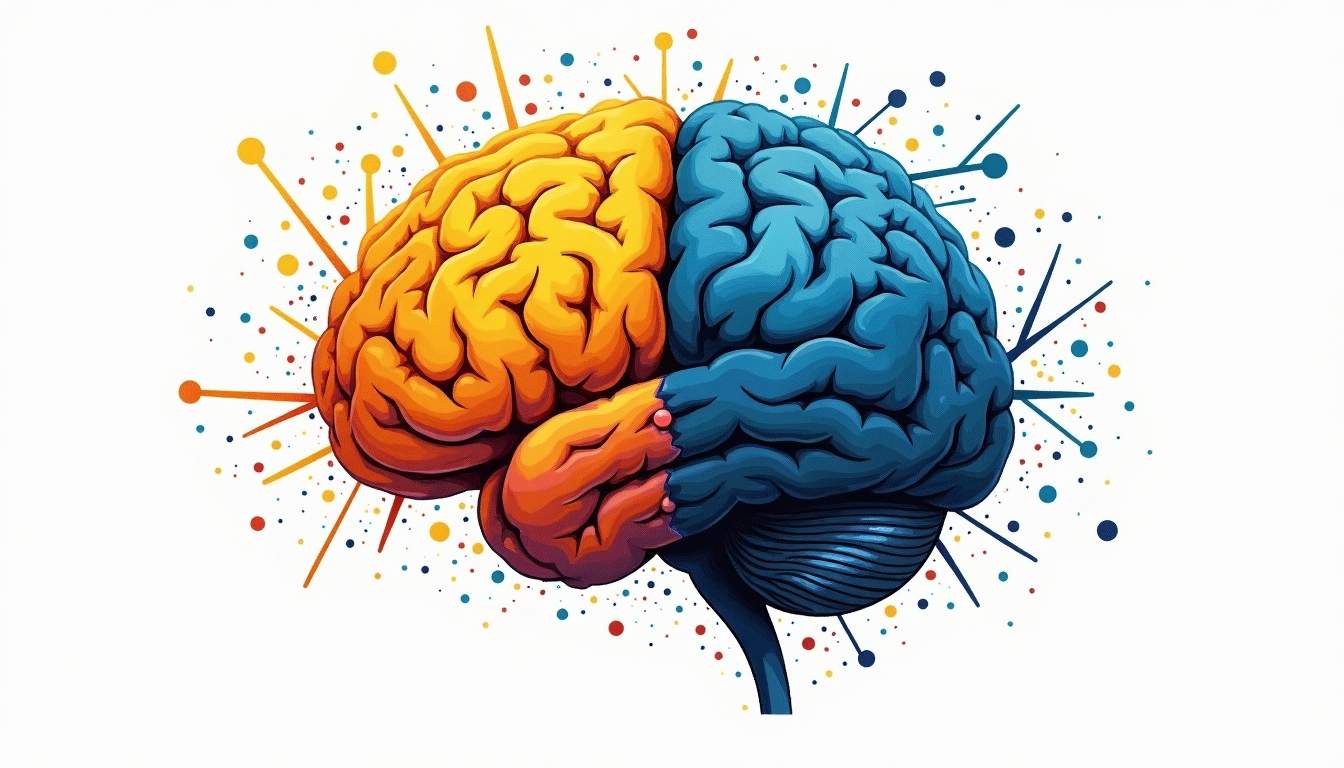
Ketamine’s appeal lies in its multifaceted action profile. Its ability to alter mood rapidly makes it a unique candidate compared to traditional opioid replacement therapies like methadone and buprenorphine. Consequently, ketamine could find a niche role, especially among patients who have not experienced relief with conventional treatments.
Additional layers of evidence suggest that integrating ketamine with psychotherapeutic frameworks can amplify its benefits, particularly in mitigating the psychological underpinnings of addiction. This approach not only addresses the immediate physical challenges of withdrawal but also the long-term vulnerabilities that predispose individuals to relapse.
Opioid use disorder (OUD) has reached epidemic proportions
The escalation of opioid use and the associated fatalities have reached epidemic proportions, leaving communities and healthcare systems grappling with unprecedented challenges (pubmed.ncbi.nlm.nih.gov). Each statistic reflects a human tragedy, and even a small improvement in treatment efficacy could prevent countless lives from unraveling.
OUD’s epidemic spread is visible in stark statistics and clinical narratives alike. Healthcare providers are forced to make critical decisions every day, choosing between existing therapies that offer partial relief and the untapped potential of emerging treatments like ketamine. The data, although sobering, now serve as a rallying call to explore new, science-backed avenues.
This challenging scenario underscores the urgency to rethink established treatment protocols. If ketamine can reduce withdrawal severity and enhance recovery stability, its incorporation into treatment regimens could mark a turning point in addressing the crises spawned by opioid dependence.
Medical Applications and Therapeutic Uses
Medical practice has witnessed a renaissance in the re-evaluation of compounds with established uses, and ketamine is at the forefront of this re-examination. Its established role in anesthesia is being supplemented by its potential in mental health and addiction treatment, blurring the lines between multiple therapeutic domains.
For years, ketamine has been a trusted agent in surgical settings where rapid induction of anesthesia was critical. Today, its scope is expanding into addressing the complex web of symptoms associated with mental health and substance use disorders. This dual capacity suggests a versatility that could reshape treatment landscapes.
Its rapid-acting nature, combined with a unique pharmacological profile, means that ketamine can act quickly-a property particularly valuable during acute clinical episodes, whether in reducing severe depressive states or mitigating sudden opioid withdrawal symptoms. The potential for overlap in treatment approaches has provided both excitement and caution among experts.
Anesthetic Applications in Clinical Settings
Ketamine’s legacy in medicine started with its use as an anesthetic. Its ability to induce dissociation and analgesia made it particularly valuable in emergency and surgical environments. The rapid onset and relatively safe profile in controlled settings cemented its status as a reliable anesthetic agent.
The principles that make ketamine a good anesthetic-its rapid modulation of neural circuits-also underpin its potential in treating substance abuse disorders. Clinicians who are familiar with ketamine’s pharmacokinetics can appreciate how its short-term effects might be harnessed for longer-term therapeutic gains in addiction medicine.
While the dosing and administration in anesthesia differ vastly from its proposed use in addiction therapy, the foundational research and clinical experience with ketamine provide a critical knowledge base. At its core, understanding these applications enhances confidence in exploring novel treatment regimes.
Emerging Research in Mental Health Treatment
Recently, the mental health landscape has been revolutionized by the emergence of ketamine-assisted therapy. Innovative telemedicine companies have spearheaded studies into its efficacy in treating anxiety and depression, validating earlier findings and extending the conversation into the realm of addiction treatment (en.wikipedia.org).
The mental health benefits of ketamine are tied to its ability to provide rapid relief from acute symptoms of depression. This fast-acting nature is particularly beneficial in crisis situations where conventional antidepressants may take weeks to exert noticeable effects. Such prompt action is critical when managing the intense distress that often accompanies substance withdrawal.
Ketamine-assisted therapies are not merely about alleviating symptoms temporarily; they are designed to create a window of opportunity for deeper, psychotherapeutic interventions. This dual-pronged approach is one reason why ketamine is seen as more than just a temporary fix, but rather a potential catalyst for long-term recovery commencement.
Side Effects and Contraindications
No discussion of ketamine’s expanding role in treating opioid addiction would be complete without addressing its side effects and contraindications. As with any potent pharmacological agent, ketamine is not without risks. Mild side effects, such as dissociation or changes in blood pressure, are documented, particularly when administered outside strict clinical protocols.
Considerable caution is advised when using ketamine in populations with pre-existing cardiovascular conditions. Additionally, its potential for abuse cannot be ignored, given its history as a recreational drug in some circles. This dual-edged reputation necessitates tightly controlled administration protocols, especially in outpatient settings.
Although the appeal of ketamine is bolstered by its clinical benefits, medical professionals must rigorously assess patient suitability. Comprehensive screening is imperative to ensure that its use does not inadvertently introduce further complications into a patient’s treatment journey.
Legal Classification and Access Restrictions
Ketamine’s legal classification has evolved significantly from its early days as a primarily anesthetic agent. Regulatory bodies have maintained strict control over its distribution, balancing its potential therapeutic benefits against risks of misuse. Access remains highly regulated, and clinicians must navigate complex guidelines to use ketamine as a treatment modality.
Physicians interested in employing ketamine for opioid addiction treatment must comply with existing legal frameworks. These access restrictions vary widely by region, with countries adopting different strategies to balance patient safety with therapeutic innovation. In some areas, telemedicine-assisted ketamine therapy is gaining traction as a controlled, ethical approach to mental health treatment (en.wikipedia.org).
Understanding these legal nuances is crucial. They underscore the importance of evidence-based practice and the need for ongoing dialogue between regulatory agencies and the scientific community as emerging data continues to shape ketamine’s medical applications.
Medications Used to treat opioid addiction today
The current pharmacological landscape for opioid use disorder includes several well-established medications. Drugs such as methadone, buprenorphine, and naltrexone are widely used. Each offers its own balance of benefits and limitations. These therapies, while effective for many, often involve trade-offs between immediate symptom management and long-term recovery planning.
Methadone and buprenorphine serve as opioid replacement therapies. They act by mitigating withdrawal symptoms and dampening cravings, albeit with the potential for continued physical dependency. Naltrexone, on the other hand, is an opioid antagonist that helps prevent relapse by blocking the euphoric effects of opioids. However, initiating such treatments can be challenging due to the requirement of complete detoxification prior to administration.
In this context, ketamine proposes an alternative-not as a direct opioid substitute, but as an agent that can alleviate withdrawal symptoms and support the psychological overhaul necessary for overcoming addiction. Early studies indicate that when combined with therapy, ketamine can reduce cravings and foster abstinence (sciencedirect.com). This suggests that ketamine might complement or even enhance existing treatment protocols, particularly for patients who have not responded well to conventional medications.
While the pharmaceuticals currently used in treating opioid addiction have their place, the potential introduction of ketamine into this arena represents a promising frontier. Its unique mechanism and the dual capacity to manage both acute and protracted symptoms of withdrawal offer a compelling alternative strategy for breaking the cycle of addiction.
The history of opioid addiction treatment is one of ongoing adaptation-a constant effort to find new methods that can secure lasting recovery. As research into ketamine deepens, its role might eventually be integrated into a more diverse, multi-modal approach that addresses the complex neurobiology of addiction while supporting the broader psychosocial needs of patients.
In a field where every incremental improvement can translate into saved lives, ketamine’s emerging therapeutic promise is not just a subject of academic debate. It is a real-world potential that could redefine treatment protocols for a crisis that too many communities continue to face.

Leave a Reply