
Discover the societal and environmental impacts of 2C-B, including key insights, risks, and benefits.
The impact on society and environment of 2C-B
Ask a group of regular nightlife-goers what 2C-B is and the answers jump all over the map: a “funny little party pill”, “diet LSD”, “cocaine’s psychedelic cousin”, or simply “the pink stuff”. That confusion is exactly the problem. A drug that sits at the crossroads between stimulant, empathogen and classic psychedelic will inevitably generate myths – rosy ones and terrifying ones – that do not match what the evidence actually shows.
2C-B has gone from obscure research chemical to a steady feature of club scenes, festival culture and certain underground therapeutic circles. It is also turning up in products sold under misleading street names such as “cocaina 2C” in parts of Latin Americasource. That shift matters for society and for the environment, because synthetic drugs do not appear by magic. They require raw materials, chemical processes, transport, packaging and disposal – all of which can either be handled reasonably or irresponsibly.
The discussion around 2C-B is usually stuck on a few blunt claims: it is not addictive, the risk of overdose is small, it is “light” and perfect for recreational use, and it is certainly not a societal problem. Those claims are not completely wrong, but they are nowhere near as straightforward as they are usually presented. When people repeat them without context they invite exactly the kind of complacency that creates avoidable harm.
This article takes those popular statements at face value and does something most conversations about 2C-B fail to do: it actually stress-tests them. How does 2C-B affect the body according to controlled research? What do toxicology studies on related compounds suggest about long‑term risk? How does its production intersect with pollution and hazardous waste? And what does all that mean for public health, policy and the very ordinary person who is simply curious about what this substance really is?
2C-B is not addictive
The slogan “2C-B is not addictive” is thrown around with a kind of smug certainty, usually as a way of contrasting it with alcohol, cocaine or opioids. The reality is more nuanced. There is no strong evidence that 2C-B causes the sort of physical dependence or severe withdrawal seen with depressants or opioids, and reputable information services describe it accordinglysource. That aligns with what is known about classic psychedelics in general: they tend not to hijack the brain’s reward pathways in the same blunt way stimulants and depressants do.
Absence of classic physical addiction, however, does not mean absence of problematic use. People can develop compulsive patterns with substances that are not traditionally labelled “addictive” when those substances become a preferred escape route or social crutch. With 2C-B, the risk is more about psychological habit: relying on it to feel confident in social situations, to tolerate a particular club environment, or to push emotional intimacy without doing the slower work of real communication. That sort of pattern does not always look dramatic from the outside, but it can quietly narrow someone’s life all the same.
Another issue is simple overconfidence. When a substance is branded as “non‑addictive”, some people hear “consequence‑free”. They start stacking it with other drugs, dosing more frequently and taking it in increasingly chaotic settings. That is precisely where risks spiral: not because 2C-B itself is uniquely malign, but because a supposedly “safe” reputation encourages lazy decision‑making. A more honest way to put it would be: 2C-B does not appear to cause classic physical dependence, but it can still be misused in ways that damage mental health, relationships and work if someone leans on it instead of addressing what actually drives their distress or boredom.
The risk of overdose is small when taking 2C-B
This claim is half true and half wishful thinking. Serious, fatal overdoses that can be clearly pinned on 2C-B alone seem comparatively rare in the published literature, especially compared with many depressants or strong stimulants. When used on its own and at doses people consider within the “normal” range for recreational use, 2C-B most often causes transient cardiovascular changes, acute anxiety or confusion rather than organ failure. An observational study in healthy, experienced users found that single oral doses raised blood pressure and heart rate and produced peak subjective effects within a few hours of ingestionsource. That pattern suggests an acute strain on the cardiovascular system that most healthy people can tolerate, but it is hardly trivial for those with hidden heart issues.
The phrase “small risk of overdose” also glosses over the fact that 2C-B’s active dose range is relatively narrow in practice. People differ dramatically in how sensitive they are. A dose that someone’s friend describes as “perfectly mild” can tip another person into an intense, frightening experience with severe anxiety, agitation, panic attacks or even deliriumsource. Once someone is already in a distressed, confused state, the line between “overwhelming but survivable trip” and “medical emergency” can be thin, because panic, dehydration, overheating and dangerous behaviour feed into each other.
The biggest flaw in the “small overdose risk” claim is the tidy fiction that people use 2C-B in isolation. Many do not. Mixing it with alcohol, MDMA, stimulants or depressants is common. Information from clinical and harm‑reduction sources describes a higher likelihood of severe adverse events, including cardiovascular complications and episodes of delirium, when 2C-B is taken alongside other psychoactive substancessource. Add the fact that street products can be mislabelled or cut with other compounds, and any confident pronouncement that overdose risk is “small” starts to look a bit irresponsible. A more accurate framing is that 2C-B, used cautiously on its own, appears to have a lower risk of lethal overdose than many depressants or stimulants, but the margin for error shrinks quickly with higher doses, unsafe environments and polydrug use.
2C-B is a light psychedelic drug very well suited for recreational use
Calling 2C-B “light” is fashionable, especially among people who have tried stronger classic psychedelics such as LSD or psilocybin. Compared with those, 2C-B often produces less intense visual and cognitive distortion and tends to keep users more in contact with ordinary reality. Subjectively, many describe enhanced colours and patterns, body euphoria and emotional openness, but less of the deep “ego dissolution” or sweeping mystical states that can dominate higher‑dose classic psychedelic experiencessource. For people who find intense mind‑alteration intimidating, that profile can indeed feel more approachable.
Recreational users also value 2C-B’s relatively predictable time course. Harm‑reduction organisations describe it as a substance that tends to come on within a moderate time frame, last for a handful of hours, and fade reasonably cleanly compared with stimulants that can leave people wired and sleeplesssource. That structure fits neatly into an evening out or a festival set. The stimulant and empathogenic elements can make social interaction feel easier and touch feel more pleasurable, which is why it has such a strong presence in certain club and sexual subcultures.
The problem is not that any of this is untrue; it is that “light” has a nasty habit of being interpreted as “safe” or “casual”. People underestimate just how overwhelming 2C-B can become when set and setting are neglected. In a loud, hot, crowded club, sensory amplification can tip from fun into suffocating. Underlying anxiety, depression or trauma can surface abruptly and intensely, leading to panic, emotional breakdowns or reckless behaviour. Harm‑reduction groups routinely emphasise that even “lighter” psychedelics demand preparation, trusted company, a safe environment and a clear plan for coming downsource. So yes, 2C-B can be well suited to recreation for some people in some contexts, but treating it as a cute entry‑level toy is a good way to earn a harsh lesson about what “light” really means.
Is the production of 2C-B causing pollution?
Most discussions about 2C-B obsess over personal risk and completely skip the environmental footprint sitting upstream. Synthetic drugs do not grow in the woods; they come from chemical synthesis, often carried out in clandestine or semi‑clandestine facilities where environmental standards are an afterthought at best. The production of 2C family phenethylamines involves reagents, solvents and by‑products that, if dumped untreated, can contaminate soil and waterways and expose local communities and ecosystems to toxic substancessource. When operations move or are raided, waste is often abandoned where it stands.
The global pattern of 2C-B distribution gives some hints about where environmental pressure might concentrate. Reports from international monitoring bodies describe 2C-B and related compounds being sold under misleading names such as “cocaina 2C” in several Latin American marketssource. That implies supply chains that stretch across borders, with manufacturing, cutting, repackaging and transport hubs dotted along the route. Every step is a chance for solvents, precursors and contaminated water to be discarded improperly. None of this is unique to 2C-B, of course, but pretending it has no environmental cost simply because its production volume is smaller than that of major drugs is wishful thinking.
There is another subtle point that tends to get missed: chemical safety communication around these operations is often laughably poor. A systematic review of research on hazardous chemical labelling suggests that while people can usually tell that warning symbols signal danger, they frequently misinterpret what kind of danger and how severe it issource. Translate that to informal or illegal labs: workers, neighbours and first responders might underestimate specific risks of fires, explosions or toxic exposure, leading to accidents that release pollutants in concentrated bursts. If society is going to have an honest debate about 2C-B, it has to expand beyond personal liberty arguments and also consider how unregulated chemical production, by its very nature, tends to externalise environmental costs onto people who may never have heard of the drug at all.
2C-B can be used by therapist for trauma work and healing
This is where the conversation usually jumps from sloppy to downright misleading. Interest in psychedelic‑assisted therapy for trauma, depression and addiction has surged, driven mainly by research into substances such as MDMA and psilocybin. 2C-B sometimes gets dragged into that excitement simply because it sits in the same broad pharmacological family and offers a blend of empathy, introspection and visual alteration that sounds temptingly therapeutic. Some underground therapists and guides have experimented with it for trauma processing and relationship counselling, and anecdotes from those circles can sound very compelling.

What those stories are not, however, is rigorous evidence. Reputable drug information charities are quite clear that research into 2C-B’s therapeutic potential is minimal compared with the work being done on other psychedelics, and that it is not an approved treatment for any mental health conditionsource. Unlike MDMA, which is being evaluated in structured clinical protocols for post‑traumatic stress, 2C-B has not been run through large, controlled trials assessing its efficacy, optimal dosing, safety in vulnerable populations or interactions with other medications. Without that, any claim that it “can be used by therapists” for trauma work is skating on very thin, very anecdotal ice.
There is also a practical ethical problem. Trauma therapy demands meticulous control of context, support and follow‑up. Even in clinical MDMA trials, which are staffed by trained professionals operating under strict protocols, some participants experience challenging reactions that require careful management. 2C-B’s mix of stimulant and psychedelic properties carries its own risk profile, including potential spikes in anxiety, cardiovascular strain and sensory overloadsource. Dropping that into a loosely regulated or underground “therapeutic” environment multiplies the chance that vulnerable clients will be left to handle difficult experiences without adequate medical or psychological backup. The honest answer right now is that 2C-B is an interesting candidate for future research, but any therapeutic use today is experimental at best and should not be sold as established trauma treatment.
2C-B is not a problem for the society
This is the neat, reassuring story many people like to tell: alcohol and tobacco are the big villains, opioids and methamphetamine cause obvious devastation, and 2C-B is a niche curiosity floating quietly on the margins. It is true that, based on current visibility, 2C-B does not generate the same level of societal damage as the most harmful legal and illegal substances. Its use appears relatively concentrated in particular subcultures, and it has not been strongly linked to large waves of overdose deaths or chronic health crises in the general populationsource. But declaring it “not a problem” is lazy thinking that confuses “less harmful than the worst offenders” with “harmless enough to ignore”.
At the individual level, 2C-B can absolutely create serious problems. Clinical and harm‑reduction sources list acute adverse reactions that include panic attacks, paranoia, delirium, severe headaches and a heightened risk of dangerous cardiovascular events, especially when combined with other substancessource. On top of that sit all the indirect harms: accidents during intoxication, risky sexual behaviour, strains on relationships, and the occasional long‑lasting psychological after‑effects when a difficult experience is poorly integrated. For emergency services, even sporadic clusters of such incidents can soak up time, money and staff attention that are already stretched.
Zoom out, and 2C-B’s role in the drug market has its own societal ripple effects. Its presence in mixtures sold under deceptive names like “cocaina 2C” points to a pattern where users often do not know what they are takingsource. That undermines informed consent, complicates medical response when something goes wrong and fuels public distrust. On the supply side, clandestine production links 2C-B to the same ecosystems of organised crime, corruption and environmental damage that surround other synthetic drugssource. So no, 2C-B is not the central pillar of society’s drug‑related harm. But pretending it is “not a problem” only encourages policy built on neglect and panic‑driven crackdowns, instead of the more boring but effective combination of honest information, accessible mental‑health support, drug‑checking services and environmental enforcement around chemical production. Society deserves better than a shrug or a scare story; it deserves a clear‑eyed assessment that recognises 2C-B as neither a miracle molecule nor an irrelevant footnote, but as one more piece in a complex, very human puzzle.


The substances are rated by experts on drugs and addiction. Most drugs are researched upon and feedback has been gathered from users with experience. When possible we have also tried to gather knowledge from people involved in the chemical process and distribution to get a better picture on the overall impact.
Facts and Education

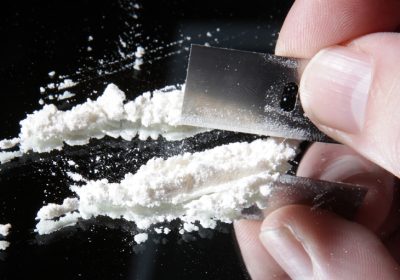
Cocaine
Cocaine has a high envirnomental impactCocaine is still one of the most widely used drugs on the planet — about 20 million people used it in 2019, mostly in North America and Europe.But the whole cocaine trade comes with a huge environmental cost. Growing, moving,…
Cannabis
Cannabis restore soil Cannabis enthusiasts like to talk about relaxation and creativity; farmers and environmental scientists tend to be more interested in the plant’s roots. Literally. Hemp, a variety of cannabis, sends down deep roots that stabilize soil, help prevent erosion and improve soil structure…
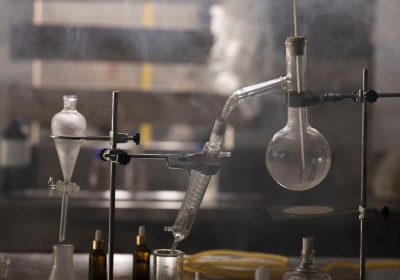
Amphetamine
Amfetamin impact Switching from plants to amphetamine is like moving from a garden to a chemistry lab. Amphetamine is not grown; it is synthesized. That alone shifts the environmental profile from fields and soil to reactors, solvents, precursor chemicals and waste management. The debate usually…
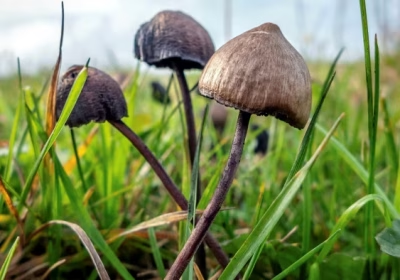
Psilocybin
Psilocybin could not be more different from amphetamine in origin or social mythology. Instead of shiny blister packs and clandestine labs, the source is something most people step over in forests and fields: mushrooms. That simplicity does not make psilocybin harmless or universally safe, but…