



Discover the profound impact of DMT on society and the environment.
The impact on society and environment of DMT
When a drug can hurl someone into a radically different reality in under a minute, it will shape culture, policy, and even environmental patterns whether people like it or not. Dimethyltryptamine (DMT) does exactly that, and it does it with an intensity that makes most other psychedelics look tame. Researchers describe DMT as “notably the most potent in its ability to alter consciousness and produce an immersive experience in another reality”source, and that is not the kind of property society just quietly absorbs.
While DMT has been central to Indigenous Amazonian traditions for generations, it has also become a cult fascination in Western subcultures: the “spirit molecule,” the rocket ship to other dimensions, the supposed shortcut to enlightenment. At the same time, law enforcement, clinicians, and policymakers are all scrambling to keep up with a substance that is everywhere and nowhere at once-endogenous to living systems, illegal in most jurisdictions, but increasingly present in conversations about consciousness, therapy, and even sustainability.
Use of hallucinogens among young adults has reached record highs; about 1 in 10 young adults reported using hallucinogens in the past yearsource. DMT is only one piece of that puzzle, but it is a particularly sharp piece. A drug that can reliably dissolve a person’s sense of self-researchers watched this happen in real time in a controlled study with 27 healthy adultssource-is going to have consequences that spill far beyond the individual trip.
Those consequences are not purely positive or purely negative. DMT can catalyze profound personal insight, but it can also destabilize vulnerable people. It can connect users more deeply to nature, yet irresponsible harvesting of DMT-containing plants damages the same ecosystems those users swear they cherish. It can inspire more compassionate values, and simultaneously invite cultish thinking if people treat subjective visions as unquestionable truth. Understanding its impact on society and the environment requires cutting through the hype, the fear, and the wishful thinking-and actually looking at what this molecule is, how it is used, and how it interacts with culture and ecology.
DMT is not addictive
People often lump all “drugs” into one moral and pharmacological basket, which is about as accurate as treating caffeine and fentanyl as the same thing. One of the more inconvenient facts for prohibitionist narratives is that DMT is not considered physiologically addictive in the way opioids, alcohol, or stimulants can be. It does not cause the classic cycle of physical dependence, tolerance escalation, and compulsive daily use that defines addictive substances.
Part of the reason is brutally simple: the experience is so overwhelmingly intense that very few people treat it like a casual habit. Unlike substances associated with nightly or weekend binges, DMT is typically used infrequently, with long gaps between sessions. Even among dedicated psychonauts, it is more like a rare expedition than a glass of wine with dinner. Surveys of DMT users, including an online study of 121 lifetime DMT users where the median age was 28 and the vast majority were malesource, tend to show patterns of episodic, intentional use rather than compulsive repetition.
That does not make DMT harmless. A substance can be non-addictive and still destabilize mental health, trigger psychotic episodes in vulnerable individuals, or lead to risky behavior if used without preparation. The “it’s not addictive so it’s fine” argument is just as shallow as “it’s illegal so it’s evil.” The real issue is not physical dependence; it is psychological impact, integration, and the social context in which people use it. From a societal perspective, that distinction matters: DMT is unlikely to drive the same public health crisis patterns as alcohol or opioids, but it can still create pockets of harm where people dive in without proper understanding or support.
Producing DMT synthetically is easy and cheap
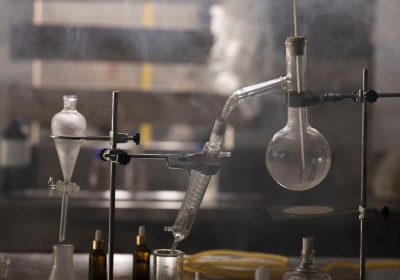
Whether authorities like it or not, DMT is relatively accessible to underground chemists. Compared with more complex synthetic drugs, it can be produced from precursor chemicals and basic lab equipment, which lowers the barrier to entry for clandestine production. That ease and low cost open the door to wider availability, online distribution, and a flood of backyard alchemists who have more enthusiasm than chemical safety training.
From a social standpoint, cheap and potent psychoactives tend to proliferate fast. When the price per dose is low and the subjective effects are intense, the substance spreads through scenes, forums, and social networks quickly. That does not automatically mean mass mainstream adoption-DMT’s intensity is self-limiting-but it does mean that even fringe demand can be met with surprising efficiency. Law enforcement faces the familiar whack-a-mole problem: shutting down one lab does little when the knowledge and materials are widely distributed and the product is inexpensive.
There is an environmental angle here as well, and it is one that idealistic users often ignore. Synthetic production relies on solvents, reagents, and disposal practices that are rarely managed responsibly in amateur labs. Chemical waste dumped down drains or into soil is not exactly aligned with the “connected to nature” rhetoric that often surrounds DMT. Ironically, synthetic DMT can either relieve pressure on overharvested plants or multiply ecological damage through pollution, depending on how and where it is made. The molecule itself is neutral; the production practices are not.
DMT molecule is present in the nature
Part of DMT’s mystique comes from a simple fact: this is not some alien petrochemical invention. DMT occurs naturally in a wide range of plants and in many animals. Several Amazonian species, such as chacruna (Psychotria viridis), are rich in DMT and are central ingredients in traditional ayahuasca brews. Various acacia species, grasses, and other plants across different continents also contain DMT in varying concentrations. The molecule is woven into the biochemistry of the biosphere far more extensively than most people realize.
Traces of DMT have also been detected in mammals, including humans, which is where a lot of the more breathless speculation begins. Some commentators jump directly from “it exists in the body” to “it explains dreams, near-death experiences, and spiritual visions,” often skipping the part where the evidence is sparse and very incomplete. The fact that a molecule is endogenous does not automatically turn every extraordinary experience into a DMT story. What is clear is that DMT is not a foreign invader to living systems; it is part of normal biology, even if its precise roles remain murky.
Environmentally, the natural presence of DMT raises the question of how humans interact with DMT-rich species. Growing Western interest in ayahuasca and other DMT-containing preparations has led to commercial cultivation but also to overharvesting in some regions. When demand outpaces sustainable agriculture, local ecosystems pay the price. Traditional communities that long used these plants with cultural safeguards and stewardship now have to compete with tourism, export markets, and unscrupulous operators who see the forest as a raw material depot rather than a living system. The spiritual language around DMT often centers on “oneness with nature,” yet the real test of that sentiment is how people treat the plants and habitats that make these experiences possible.
Using DMT can expand ones mind
The cliché that psychedelics “expand your mind” is overused, but in DMT’s case it is at least pointing in the right direction. People routinely report a radical reorganization of perception: colors and geometry beyond normal reference points, encounters with what feel like autonomous entities, and an almost comically rapid loss of the ordinary sense of self. In a controlled study where researchers administered DMT to 27 healthy adults and tracked their brain activity, they watched as participants’ usual “sense of self” slipped awaysource. That is not metaphor; that is measurable alteration of the networks that normally underpin identity and ego.
Neuroscientists and philosophers are understandably intrigued. When DMT is described as “the most potent” in its ability to alter consciousness and generate an immersive alternate realitysource, it forces uncomfortable questions. If the brain can create realities that feel more “real than real” under the influence of a simple tryptamine, what does that say about ordinary waking reality? For many users, this isn’t an abstract puzzle; the experience itself shatters their default assumptions about who they are and how the world is put together. Values shift, priorities reorder, and rigid worldviews often soften-sometimes in healthy directions, sometimes into confusion.
There is also emerging work on DMT’s interaction with neurogenesis and learning. Experimental research has found that DMT can activate neural stem cell niches and promote the generation of new neurons in the hippocampus, which in turn was associated with improved spatial learning and memory tasks in animal modelssource. That does not magically turn DMT into a “smart drug,” but it does hint at why the brain might be particularly plastic and impressionable during and after such experiences. The mind expansion is not just poetic language; there are biological processes that may support deeper learning and behavioral change if the experience is integrated thoughtfully. The key phrase there is “if it is integrated thoughtfully,” which is precisely where many users fall short.
DMT is the spirit molecule
The phrase “spirit molecule” did not emerge from a vacuum. It gained traction from clinical research into DMT that highlighted the consistently spiritual or mystical tone of many reported experiences. People describe contact with seemingly intelligent entities, transcendent realms, and a sense of profound insight into the nature of reality. Whether or not those perceptions are literally true is a philosophical and theological question; what matters sociologically is that people treat them as true, at least subjectively, and then reorganize their lives around them.
This is where DMT’s cultural impact becomes unmistakable. The “spirit molecule” framing has fueled documentaries, podcasts, forums, retreats, and quasi-religious communities centered on DMT revelations. For some, it provides a direct challenge to materialist worldviews and a gateway to spiritual practice. For others, it becomes a new dogma: “The entities told me X, therefore X is unquestionable truth.” That is hardly an upgrade from traditional fundamentalism, just dressed up in neon fractals instead of stained glass.
From a scientific angle, calling DMT the “spirit molecule” is overly confident. The same properties that make it spiritually charged-rapid ego dissolution, hyperconnected brain activity, and emotionally intense imagery-also make it an excellent tool for probing consciousness. Researchers are using DMT to study the neural basis of the self, perception, and mystical states, precisely because the effects are so reliable and so extremesource. That does not prove any specific metaphysical claim. What it does prove is that a simple molecule can temporarily warp human experience so profoundly that “spirit” becomes the closest word many people have for it. The risk is mistaking the intensity of the feeling for the accuracy of the insight.
Ayahuasca and Changa
Talking about DMT without talking about ayahuasca is like discussing caffeine while ignoring coffee. Ayahuasca is a traditional Amazonian brew that combines DMT-containing plants with monoamine oxidase inhibitors (MAOIs), making oral DMT active for several hours instead of a brief rocket ride. Unlike a quick, smoked DMT experience, ayahuasca unfolds slowly, with waves of visions, purging, emotional processing, and often explicit guidance from trained facilitators in Indigenous contexts. It is as much a ritual and social technology as a pharmacological one.
Changa, on the other hand, is a more recent innovation: a smokable blend of DMT infused into herbs, sometimes including MAOI-containing plants. It lengthens and softens the DMT experience compared with pure crystal vaporization, but it remains much shorter than ayahuasca. Changa is portable, easy to share, and tailor-made for festival and underground scenes, which is both its social appeal and its risk. When a powerful visionary sacrament gets repackaged as a convenient party accessory, the guardrails that traditional cultures spent generations building tend to evaporate quickly.
Both ayahuasca and changa have environmental footprints that enthusiasts often underplay. Rising global demand for ayahuasca has triggered concern about overharvesting key plants, especially in regions where wild populations were never meant to support international retreat markets. Local communities that developed these practices now face cultural dilution, economic distortion, and ecological strain. Synthetic DMT and cultivated plant sources can alleviate some pressure, but only if supply chains are managed with actual ecological literacy rather than feel-good slogans. Treating ayahuasca vines and DMT-rich leaves as infinite resources is a fast track to repeating the same extractive patterns that have already damaged countless other medicinal plants.
DMT can have very positive effects on society since it makes one aware
The optimistic narrative around DMT goes something like this: people take it, realize everything is interconnected, release their ego, and come back kinder, more environmentally conscious, and less materialistic. There is some truth buried in that. Many users report heightened empathy, a deeper sense of connection to nature, and a renewed focus on what actually matters in life. When hallucinogen use among young adults climbs to record levels-about 10 percent reporting such use in recent surveys source-these shifts in perspective can ripple out into culture through art, activism, and everyday choices.
There is even evidence that DMT might support brain processes associated with learning and adaptation. Experimental work indicating that DMT can stimulate neurogenic niches and support the birth of new neurons in the hippocampus, tied to improved performance in learning and memory tasks source, gives a plausible biological backdrop for why some people use these experiences as turning points. When a powerful emotional and symbolic event coincides with a brain state that is unusually plastic, long-term behavioral change becomes more likely-if the surrounding environment supports it.
The catch is that “awareness” is not automatically wise, grounded, or socially constructive. A sudden download of cosmic insight can just as easily inflate spiritual egos, fuel conspiracy thinking, or encourage people to bypass ordinary psychological work with a “DMT told me I’m enlightened” story. From a societal perspective, the useful question is not “does DMT make people aware?” but “aware of what, and what do they do with it?” Awareness without critical thinking is a recipe for new dogmas wearing psychedelic costumes.
Handled thoughtfully, DMT and DMT-based practices could help nudge societies toward more compassionate, ecologically literate values. They can challenge rigid materialism, soften destructive competitiveness, and motivate people to protect the environments they suddenly feel intimately part of. Handled carelessly, they become just another commodity, another escapist thrill, or another excuse for charismatic leaders to build cult followings. The molecule opens doors; it does not walk anyone through them. That part is still up to people, communities, and the cultural frameworks built around this unnervingly powerful little compound.
Important note: Nothing here is medical, psychological, or legal advice, and it is not an encouragement to use illegal substances. DMT is powerful, legally restricted in many countries, and can pose serious risks-especially for individuals with mental health vulnerabilities or without proper support. Any discussion of its potential benefits has to sit alongside an equally clear acknowledgment of those risks and the responsibility to engage with them honestly.
The substances are rated by experts on drugs and addiction. Most drugs are researched upon and feedback has been gathered from users with experience. When possible we have also tried to gather knowledge from people involved in the chemical process and distribution to get a better picture on the overall impact.
Facts and Education

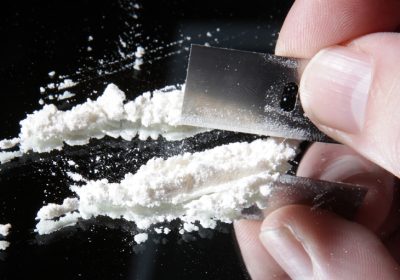
Cocaine
Cocaine has a high envirnomental impactCocaine is still one of the most widely used drugs on the planet — about 20 million people used it in 2019, mostly in North America and Europe.But the whole cocaine trade comes with a huge environmental cost. Growing, moving,…
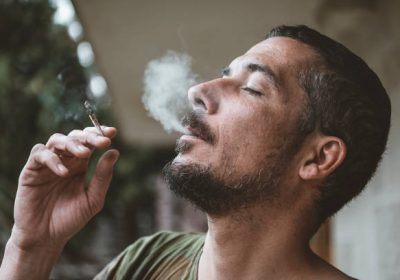
Cannabis
Cannabis restore soil Cannabis enthusiasts like to talk about relaxation and creativity; farmers and environmental scientists tend to be more interested in the plant’s roots. Literally. Hemp, a variety of cannabis, sends down deep roots that stabilize soil, help prevent erosion and improve soil structure…
Amphetamine
Amfetamin impact Switching from plants to amphetamine is like moving from a garden to a chemistry lab. Amphetamine is not grown; it is synthesized. That alone shifts the environmental profile from fields and soil to reactors, solvents, precursor chemicals and waste management. The debate usually…
Psilocybin
Psilocybin could not be more different from amphetamine in origin or social mythology. Instead of shiny blister packs and clandestine labs, the source is something most people step over in forests and fields: mushrooms. That simplicity does not make psilocybin harmless or universally safe, but…