


xplore essential harm-reduction strategies for safely using DMT, including preparation, dosage, and setting. Learn how to enhance your experience while minimizing risks and ensuring a positive journey.
Using DMT safely and Harm-reduction
DMT is a powerful psychedelic compound that produces brief but intense visionary experiences when smoked, vaporized, or taken orally as part of ayahuasca preparations. This article focuses on practical, evidence-based harm-reduction strategies to help people reduce risk and maximize safety and comfort when choosing to use DMT. The tone is positive and nonjudgmental: if someone is going to use, they deserve accurate information and straightforward steps to lower harm.
Before using DMT, consider physical, mental, and legal factors. Physically, assess cardiovascular health, respiratory conditions, and current medications; mentally, consider personal or family history of psychosis, bipolar disorder, or severe anxiety; legally, check local laws because DMT is illegal in many places. Preparation is a cornerstone of harm reduction: choosing the right setting, having a trusted sitter, planning the dose, and understanding the route of administration all significantly change risk profiles and subjective experience.
Below are clear, practical guidelines and checklists to reduce risk, organized into useful categories. Read them slowly and keep a copy accessible if you plan to use DMT, and share them with trusted friends who might be supporting you. Harm reduction is about small, concrete steps that add up to much safer and more positive experiences.
Set and mindset (psychological preparation)
- Have a calm, stable mindset: avoid DMT when experiencing acute stress, grief, major life upheaval, or a recent traumatic event.
- Reflect on intention: a clear, simple intention (curiosity, healing, exploration) often helps guide the experience and reduce anxiety.
- Do a personal mental-health check: if you have a personal or family history of psychosis, schizophrenia, or bipolar disorder, avoid DMT because psychedelics can precipitate or worsen these conditions.
- Consider integration plans: schedule time after the experience to rest, reflect, journal, or speak with a supportive friend or therapist.
Setting (physical environment)
- Choose a comfortable, familiar, and safe environment with dim lighting and minimal stimuli to reduce sensory overwhelm.
- Remove potential hazards: sharp objects, stairs, open windows, or anything that could cause injury if you move unexpectedly.
- Have a sober sitter present: someone who remains nonjudgmental, awake, and calm can help ground you if anxiety arises. Preferably the sitter has experience with psychedelics or has read harm-reduction guidance.
- Keep distractions minimal: silence phones, prepare soothing music or a playlist in advance, and have a blanket and water nearby.
Dosing and routes of administration
- Start low and go slow: when unsure, use a lower dose to gauge sensitivity. For smoked/vaporized DMT, novice doses are typically much smaller than experienced doses; microdosing or threshold doses are options to explore first.
- Understand routes: smoked/vaporized DMT produces an intense 5–20 minute peak with quick onset and rapid return; oral DMT (ayahuasca) requires an MAOI and leads to a longer, slower multi-hour experience with different body effects.
- Measure accurately: use a precise scale or measured, consistent pipetting for solutions. Eyeballing doses increases risk of overdose reactions such as extreme anxiety, vomiting (with ayahuasca), or dangerous psychological distress.
- Avoid combining routes or stacking doses rapidly: wait sufficient time between inhaled doses to fully assess effects—rushing can cause overwhelming experiences.
Drug interactions and medications
- Do not combine DMT with SSRIs, SNRIs, tricyclic antidepressants, MAOIs (unless intentionally using ayahuasca under knowledgeable guidance), or other serotonergic drugs without medical supervision—risk of serotonin syndrome is real and potentially life-threatening.
- If using or recently stopped antidepressants, wait the medically recommended washout period before using DMT; consult a prescribing clinician about timelines. The necessary wait period varies by medication.
- Avoid combining with stimulants (amphetamine, cocaine) which raise heart rate and blood pressure and can increase cardiac risk and anxiety.
- Avoid heavy alcohol or non-prescribed benzodiazepine use immediately before DMT; alcohol can worsen nausea and impair judgment, while benzodiazepines blunt the psychedelic but can complicate breathing if mixed in high doses.
Medical contraindications and cardiovascular safety
- People with uncontrolled high blood pressure, heart disease, arrhythmias, or significant vascular disease should avoid DMT due to cardiovascular strain and transient increases in heart rate and blood pressure.
- Pregnancy and breastfeeding: avoid DMT because safety data are lacking and potential risks to fetus/infant are unknown.
- If you have respiratory illnesses (severe asthma, COPD), be cautious with smoked forms because inhalation can trigger bronchospasm or exacerbations.
- Have basic medical supplies and emergency numbers available; know how to contact local emergency services and inform your sitter how to describe a non-specific “medical emergency” without legalizing details if privacy is a concern.
Mental-health risk reduction during the experience
- Use grounding strategies: focus on breathing, a mantra, or tactile objects (soft fabric, a stress ball) to reconnect during difficult moments.
- Let go rather than resist: resisting intense experiences often increases panic; a practiced sitter can remind you to breathe and accept transient sensations.
- Have a script ready for the sitter to use if you panic: simple, calm phrases like “You’re safe, breathe slowly, we are here with you,” can redirect attention and reduce panic.
- If an experience becomes unmanageable, a low dose of a benzodiazepine (if available and appropriate) can help calm acute anxiety—this should only be used with prior planning and awareness of drug interactions.
Testing, purity, and sourcing
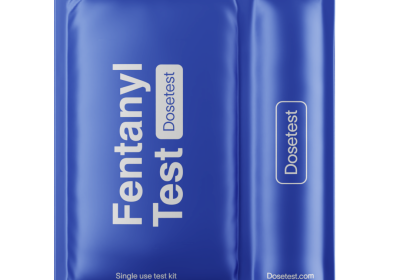
- Test substances when possible: reagent test kits can identify common adulterants; while they won’t guarantee safety, they reduce the risk of unexpected compounds.
- Know the form: synthetic DMT (N,N-DMT) differs from plant-derived ayahuasca in duration and physiological effects; understand which you are using and prepare accordingly.
- Prefer trusted sources and avoid unknown mixtures. If you cannot verify contents, treat the dose as unknown and start extremely low.
- Be wary of unexpected colors, smells, or textures—these may indicate contamination or adulteration.
Practical on-the-day tips
- Eat lightly or fast for several hours before inhaled DMT to reduce nausea and discomfort; for ayahuasca, follow traditional dietary restrictions and guidance about tyramine interactions with MAOIs.
- Hydrate gently before and after; avoid heavy meals immediately prior to use to reduce vomiting risk with ayahuasca.
- Wear comfortable, loose clothing and remove jewelry that could snag or cause discomfort during movement.
- Plan at least a full day of low-demand activity afterward; for ayahuasca you may need longer for physical recovery and integration.
Signs requiring emergency care
- Persistent chest pain, severe shortness of breath, loss of consciousness, or seizures are medical emergencies—call emergency services immediately.
- Symptoms of serotonin syndrome—agitation, high fever, muscle rigidity, rapid heart rate—require urgent medical attention.
- If severe, persistent confusion or a psychotic break occurs (delusions, inability to recognize reality), seek emergency psychiatric care or medical help promptly.
- When in doubt, seek medical help early; prompt treatment limits complications.
Legal and social considerations
- Know local laws: DMT is illegal in many countries and jurisdictions; consider legal risk and safer alternatives like legal retreats or plant-medicine ceremonies where applicable.
- Discretion and informed consent: if sharing DMT in a group, ensure everyone consents and understands potential risks, especially with ayahuasca and MAOIs.
- Respect cultural contexts: ayahuasca and other plant medicines have deep traditional roots; approach with respect and awareness of cultural appropriation concerns.
- Keep emergency contacts and medical info accessible but secure; a trusted person should know your plans and how to respond if things become difficult.
Integration and aftercare
- Reflect and journal: write down insights, feelings, and any changes in perspective to help integrate the experience into daily life.
- Talk with supportive friends, a guide, or a therapist who understands psychedelics; integration support reduces long-term distress and helps translate insights into practical change.
- Be gentle with yourself: many intense experiences leave people tired or emotionally raw—prioritize rest, nutritious food, and hydration.
- Consider follow-up screening: if a DMT experience worsens anxiety, depression, or produces persistent perceptual changes, consult a mental-health professional.