



Psilocybin could not be more different from amphetamine in origin or social mythology. Instead of shiny blister packs and clandestine labs, the source is something most people step over in forests and fields: mushrooms. That simplicity does not make psilocybin harmless or universally safe, but it does give it a distinct environmental profile compared with industrial pharmaceuticals. When a substance grows naturally in ecosystems without the need for synthetic chemistry, the baseline ecological footprint starts low.
The interesting twist is that psilocybin now straddles two worlds. On one side are wild or small-scale cultivated mushrooms with minimal environmental burden. On the other is an emerging medical and biotech sector racing to turn psilocybin into a regulated treatment, which pulls it into the same global pharmaceutical machinery whose emissions and waste have been climbing for decades source. How that transition is handled will decide whether psilocybin remains a relatively low-impact option or becomes just another branded product embedded in a heavy industrial chain.
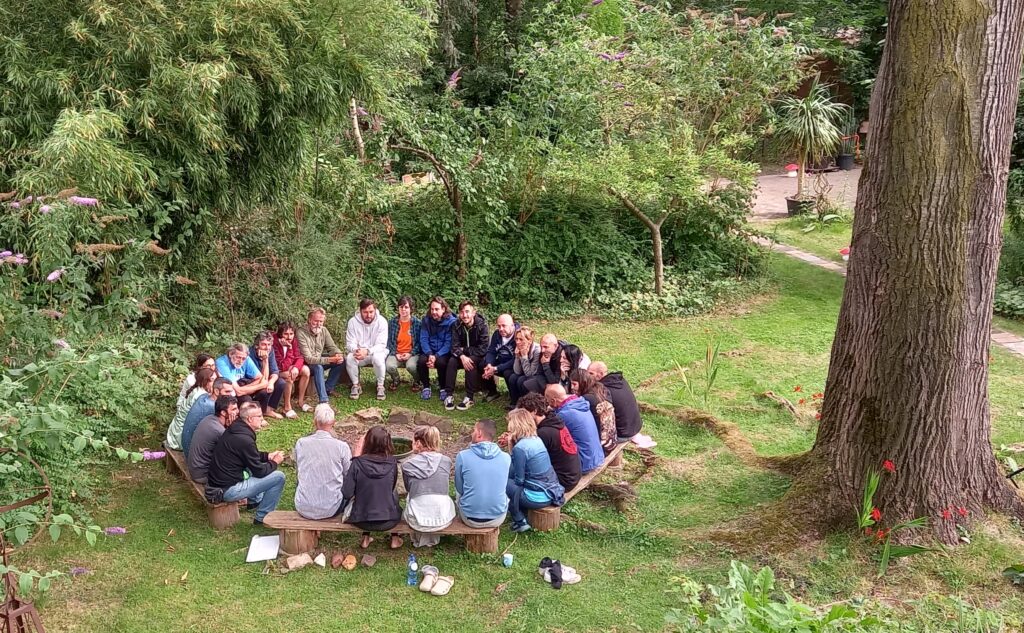
Natural and available in the nature for free
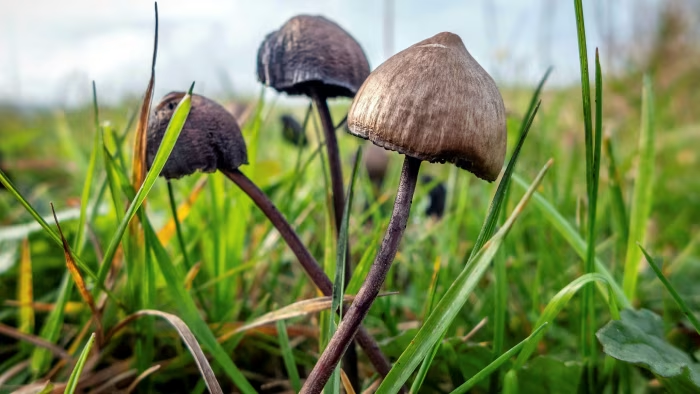
Psilocybin-containing mushrooms grow spontaneously in many ecosystems, using dead organic matter, manure or forest debris as their substrate. No synthetic fertilizers, no pesticides, no industrial infrastructure; just fungal biology doing what it has done for a very long time. From an environmental accounting perspective, that is almost embarrassingly efficient. Gathering naturally occurring mushrooms or cultivating them at small scale on agricultural waste or sawdust barely registers compared with large chemical plants.
The “for free” part, though, needs an adult caveat. Legality varies wildly between jurisdictions, misidentification can be dangerous, and harvesting wild mushrooms without knowledge or respect for ecosystems can damage fragile habitats. Still, compared with a sector whose waste stream is significant enough to support a multi-billion-dollar pharmaceutical waste management market within a few years source, a patch of forest mushrooms is about as low-footprint as psychoactive substances come.
Possibly heals trauma during the effect
Psilocybin has moved rapidly from counterculture curiosity to serious clinical interest because of its potential role in treating depression, addiction and trauma-related conditions. In carefully controlled settings, people report experiences that help them process deeply rooted emotional pain and reframe entrenched patterns. Researchers are working hard to understand how much of that benefit comes from the molecule itself and how much from the preparation, therapeutic support and integration afterward.
Environmentally, if psilocybin-based therapies can reduce long-term reliance on daily medications – and that is still an “if,” not a guarantee – the knock-on effect could be significant. Fewer chronic prescriptions mean lower throughput of industrial manufacturing, packaging and disposal. Given that emissions from pharmaceutical consumption have risen dramatically over recent decades source, even partial substitution of daily pills with occasional, supervised psychedelic sessions would be an environmental win alongside any mental health gains.
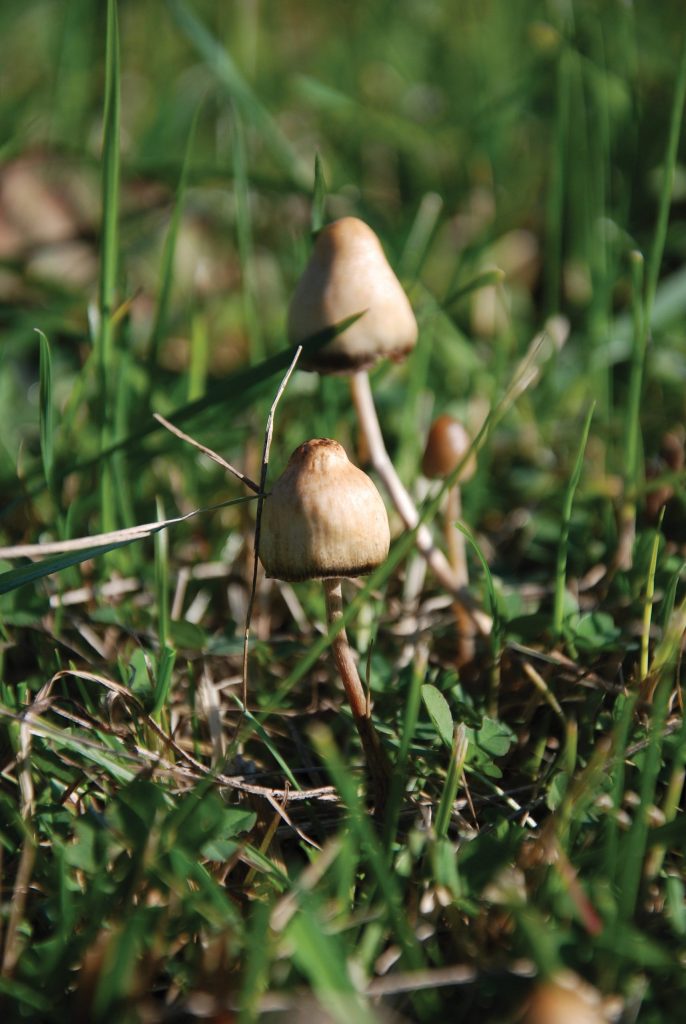
Expands the mind and builds new connections in the brain
The cliché about psychedelics “expanding the mind” actually has some backing in neuroscience. Imaging studies show that psilocybin can temporarily increase connectivity between brain regions that usually do not communicate much, while loosening rigid patterns in networks linked to self-referential thinking. Subjectively, that can feel like gaining access to new perspectives or stepping outside mental ruts that previously felt inescapable.
From a societal perspective, fostering flexibility and perspective-taking is not a trivial side effect. Communities struggling with entrenched trauma, conflict or addiction patterns do not only need symptom control; they need ways to break stuck narratives. If carefully framed psilocybin experiences help some people do that, the social benefits could ripple outward: less substance misuse, fewer hospitalizations, more functional relationships. Each avoided spiral into chronic psychiatric medication or crisis care is also an avoided increment of industrial pharmaceutical demand, which still represents a noticeable fraction of drug-related environmental impacts globally source.
Not possible to get hooked on, no risk of overdosing
This is another seductive oversimplification that needs trimming. Compared with stimulants, opioids or nicotine, psilocybin has very low addiction potential. People do not tend to crave daily psychedelic experiences; in fact, they often need time to integrate what happened. Tolerance also builds quickly, which discourages frequent use. So as far as compulsive, escalating use goes, psilocybin is on the low-risk end of the drug spectrum.
Still, “no risk” is the wrong phrase. Extremely high doses can cause physical distress, overwhelming psychological experiences, or dangerous behavior in unsafe environments. Interactions with certain medications or underlying conditions can also complicate the picture. The responsible way to describe psilocybin is as a substance with relatively low physiological toxicity, low addiction potential, and very context-dependent psychological risks. That profile is exactly why it is so attractive for therapeutic research – and why it deserves careful, evidence-based integration into health systems that are currently dominated by daily pharmaceuticals with a much heavier manufacturing and waste footprint source.
Conclusion: Psilocybin has a very positive impact on the environment and the society
Environmentally, psilocybin sits in a favorable position. Its natural sources are fungi that can be cultivated with minimal inputs, and even synthetic or semi-synthetic production would be a tiny slice of a pharmaceutical sector already working to shrink its impact through cleaner processes and renewable energy source. Unlike many conventional drugs, psilocybin does not invite daily consumption, which means it is structurally less likely to drive constant industrial throughput.
Socially, the story is cautiously promising rather than utopian. Early research and traditional use suggest significant potential for helping with depression, trauma and addiction when embedded in solid therapeutic frameworks. That could translate into fewer years lost to disabling mental health issues, fewer lives dominated by more harmful substances, and a reduced burden on overstretched health systems. None of that makes psilocybin a toy or a panacea, and it certainly does not override the need for legal, medical and cultural safeguards. But if the goal is to align personal healing with a lighter environmental footprint, psilocybin is one of the rare substances that plausibly points in that direction – provided people are willing to approach it with respect instead of either panic or blind enthusiasm.
The substances are rated by experts on drugs and addiction. Most drugs are researched upon and feedback has been gathered from users with experience. When possible we have also tried to gather knowledge from people involved in the chemical process and distribution to get a better picture on the overall impact.
Facts and Education

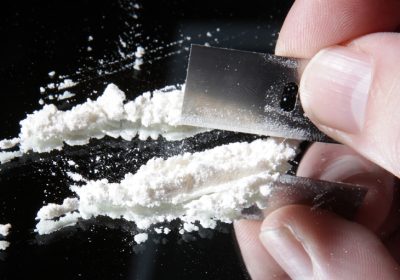
Cocaine
Cocaine has a high envirnomental impactCocaine is still one of the most widely used drugs on the planet — about 20 million people used it in 2019, mostly in North America and Europe.But the whole cocaine trade comes with a huge environmental cost. Growing, moving,…

Cannabis
Cannabis restore soil Cannabis enthusiasts like to talk about relaxation and creativity; farmers and environmental scientists tend to be more interested in the plant’s roots. Literally. Hemp, a variety of cannabis, sends down deep roots that stabilize soil, help prevent erosion and improve soil structure…
Amphetamine
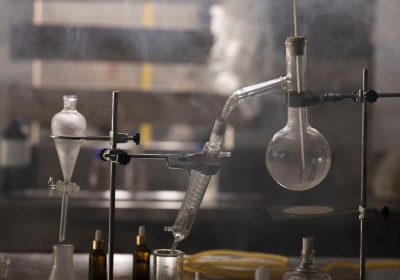
Amfetamin impact Switching from plants to amphetamine is like moving from a garden to a chemistry lab. Amphetamine is not grown; it is synthesized. That alone shifts the environmental profile from fields and soil to reactors, solvents, precursor chemicals and waste management. The debate usually…

Heroine
Discover the profound impact of heroine on society and the environment, uncover key insights, and learn how awareness can foster positive change. The impact on society and environment of Heroine Heroin does not just wreck individual lives; it quietly drains public budgets, reshapes local…