



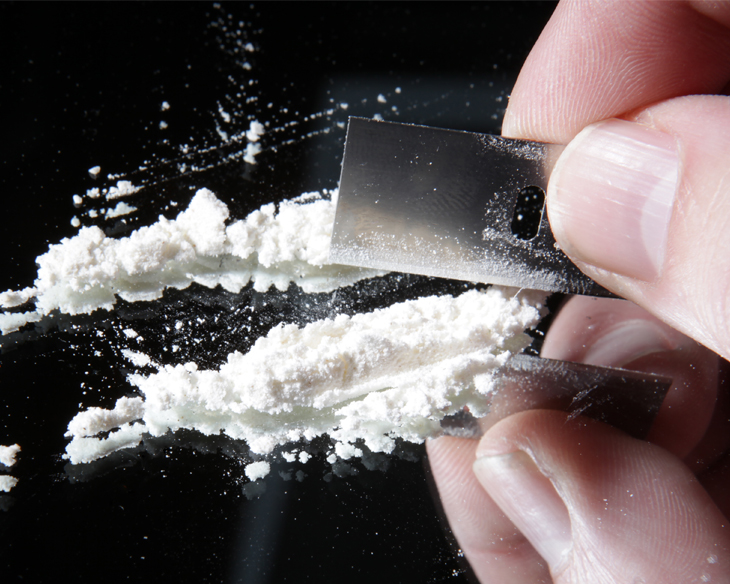
Cocaine
Drug impact on society and environment
Cocaine has a high envirnomental impact
Cocaine is still one of the most widely used drugs on the planet — about 20 million people used it in 2019, mostly in North America and Europe.
But the whole cocaine trade comes with a huge environmental cost. Growing, moving, and using the drug damages tropical forests, rivers, and coastal ecosystems. Some of these impacts — like how chemical runoff harms eels and other aquatic life — are known, but a lot of the damage hasn’t really been researched or fully understood yet.
The business around cocaine is often very dirty
Indigenous communities often end up dealing with the worst of it. In places where cocaine is produced or trafficked, criminal groups operate in or near Indigenous lands. And once a trafficking route is set up, it usually gets used for other crimes too, like smuggling wildlife or weapons.
Researchers say you can’t really separate the environmental destruction tied to cocaine from the decades-long war on drugs. Even the strategies meant to stop coca cultivation — like spraying fields from the air — can cause deforestation and hurt local biodiversity.
We’ve actually known about cocaine’s environmental footprint for a long time. Back in the 1990s, studies were already warning about deforestation, soil damage, and pollution linked to the drug trade in Latin America. Today we have an even clearer picture of the damage happening all along the supply chain, but it still doesn’t get the attention it deserves.
Meanwhile, the battle between those trying to stop drug use and those profiting from it keeps going. Millions of people continue to use coke — the “party drug” of choice for many — while the trade fuels biodiversity loss, pollutes waterways with toxic chemicals, drives harmful land-use change, and supports other illegal industries like wildlife trafficking and illegal gold mining. It even adds to climate change.
From the countries where coca is grown to the places where cocaine is sold and used, this famous white powder leaves behind a trail of environmental destruction — one that threatens the stability of the Earth systems we rely on to keep our planet livable.
Details and sources
The substances are rated by experts on drugs and addiction. Most drugs are researched upon and feedback has been gathered from users with experience. When possible we have also tried to gather knowledge from people involved in the chemical process and distribution to get a better picture on the overall impact.
Facts and Education
Learn more about the consequences here
Cannabis
Cannabis restore soil Cannabis enthusiasts like to talk about relaxation and creativity; farmers and environmental scientists tend to be more interested in the plant’s roots. Literally. Hemp, a variety of cannabis, sends down deep roots that stabilize soil, help prevent erosion and improve soil structure…

Amphetamine
Amfetamin impact Switching from plants to amphetamine is like moving from a garden to a chemistry lab. Amphetamine is not grown; it is synthesized. That alone shifts the environmental profile from fields and soil to reactors, solvents, precursor chemicals and waste management. The debate usually…
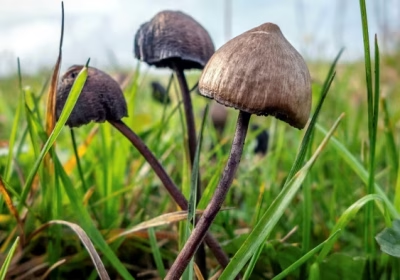
Psilocybin
Psilocybin could not be more different from amphetamine in origin or social mythology. Instead of shiny blister packs and clandestine labs, the source is something most people step over in forests and fields: mushrooms. That simplicity does not make psilocybin harmless or universally safe, but…

Heroine
Discover the profound impact of heroine on society and the environment, uncover key insights, and learn how awareness can foster positive change. The impact on society and environment of Heroine Heroin does not just wreck individual lives; it quietly drains public budgets, reshapes local…