



Discover essential harm-reduction strategies for using synthetic cannabinoids (Spice) safely. This article explores the risks, effects, and practical tips to minimize harm while navigating the complexities of synthetic drug use. Stay informed and make safer choices.
Using Synthetic cannabinoids (Spice) safely and Harm-reduction
Synthetic cannabinoids (Spice) are a broad class of compounds that mimic some effects of THC but can be much more potent and unpredictable. This guide focuses on practical, evidence-informed harm-reduction strategies to help people who choose to use enjoy a safer experience. It is written with a positive, non-judgmental tone that assumes people will make their own choices and deserve accurate, useful information to reduce risks.
The aim here is to empower you with clear actions, simple checklists, and realistic expectations so you can make safer choices. Many harms from Synthetic cannabinoids (Spice) come from variability in potency, unknown contaminants, and unpredictable individual reactions — not from moral failing. By planning ahead, testing where possible, using smaller amounts, and watching for warning signs, you can greatly reduce the chance of severe adverse events. Below are focused, practical tips and resources presented as easy-to-scan bulletpoints and concrete steps to follow.
Practical harm-reduction tips and checklists for safer use:
- Start very low and go slow: Assume a product could be far stronger than you expect; take a tiny fraction of what you might consider a dose and wait at least 60–90 minutes before considering more.
- Prefer measured doses: If using liquid or tincture forms, use a syringe or dropper to measure. If smoking an herbal blend, smoke one tiny inhalation and wait.
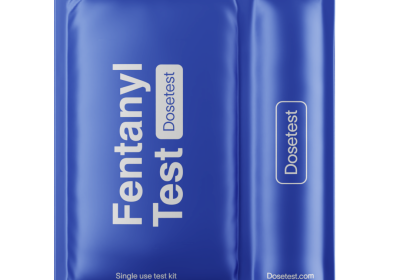
- Test a small sample first: If possible, use reagent test kits that can indicate certain synthetic cannabinoids, though they are not definitive. Consider sending a small sample to a community drug-checking service when available.
- Avoid mixing with alcohol, benzodiazepines, stimulants, or opioids: Combining can increase toxicity, unpredictable effects, risk of severe sedation, respiratory problems, or psychosis.
- Use in a safe environment: Stay in a familiar place with people you trust who know how to respond if things go wrong. Have a sober person available if trying a new batch or strain.
- Plan for set and setting: Be mentally prepared, rested, hydrated, and not under acute stress. A calm environment lowers the chance of panic reactions.
- Keep emergency numbers handy: Know local emergency services and poison control contact info. If someone is severely agitated, losing consciousness, having seizures, or showing dangerously high heart rate or breathing difficulty, seek immediate medical help.
- Carry information for responders: A simple card with substance used, approximate dose/time, known health issues, and allergies can speed care if medical help is required.
- Watch for potency drift and reuse risk: Different batches can vary widely. Do not assume a familiar brand is stable over time — manufacturers and formulations change.
- Store safely: Keep products out of reach of children, pets, and people who should not access them. Label containers clearly.
- Avoid unknown sources and adulterants: Buying from sources you trust and that disclose ingredients lowers risk. Unknown homemade or street mixes are especially risky.
- Consider alternatives for desired effects: If you use Synthetic cannabinoids (Spice) for relaxation or sleep, explore safer options like legal CBD products, mindfulness, exercise, or talking therapies which have much lower acute risk profiles.
- Learn basic first aid for acute psychological reactions: Techniques like grounding (breathing exercises, focusing on senses), reassurance, a quiet room, and gentle physical presence can help manage panic or paranoia until effects dissipate.
- Document reactions: Keep a private log of product, batch, dose, route, and effects. This helps identify patterns and avoid repeats of harmful experiences.
- Be mindful of legal and occupational implications: Laws and workplace policies vary. Be aware of potential legal consequences or impacts on employment and plan accordingly.
- Recognizing and responding to adverse effects:
- Mild to moderate reactions can include intense anxiety, paranoia, rapid heartbeat, nausea, dizziness, tremors, confusion, or hallucinations. These often resolve with time and supportive care.
- Serious signs needing urgent care: very high or irregular heart rate, chest pain, severe difficulty breathing, seizures, fainting or unresponsiveness, severe agitation with risk of harm to self or others, or prolonged vomiting and dehydration.
- If you or someone else experiences severe symptoms, call emergency services immediately and be honest about substance use so responders can provide appropriate treatment.
- When seeking medical help, remain calm and give concise information: what was taken, when, how much, any other substances, and known medical conditions or medications.
- After an adverse event, follow up with a healthcare provider: Documented medical attention can prevent future harm and help identify underlying issues like cardiovascular risk factors or susceptibility to psychosis.
- Additional practical tips and community resources:
- Use community drug-checking and harm-reduction services if available; they often provide free or low-cost testing and evidence-based advice.
- Engage with peer support networks and local harm-reduction organizations; they offer nonjudgmental information and safety planning assistance.
- Respect dose variability across routes: Edible or swallowed products can have delayed and longer-lasting effects compared with inhalation; wait sufficiently long before re-dosing.
- Consider setting personal rules: limits on frequency of use, never using alone, and avoiding driving or operating machinery for at least 24 hours after use or longer if impaired.
- Keep hydration and nutrition in mind: Low blood sugar and dehydration worsen anxiety and physiological stress — have water and light snacks available.
- If concerned about dependence or problematic use, seek confidential support early: brief interventions and counseling increase chances of reducing harm and regaining control.
- Stay informed: Scientific understanding of Synthetic cannabinoids (Spice) evolves; follow reputable public health and harm-reduction sources for updates.