



Explore essential harm-reduction strategies for using methamphetamine safely. This article provides insights into minimizing risks, understanding the effects, and promoting safer practices for users.
Using Methamphetamine Safely and Harm-Reduction
Methamphetamine can be a part of many people’s lives, and talking openly about how to reduce harms and stay safer is important and practical. This article focuses on realistic, evidence-informed harm-reduction strategies for people who choose to use Methamphetamine, written with a positive, nonjudgmental tone that respects personal autonomy. Below you’ll find clear, actionable tips and factual information intended to help people make safer choices and minimize risks while using Methamphetamine. The goal is to empower individuals with knowledge and resources that can lead to safer experiences and healthier outcomes.
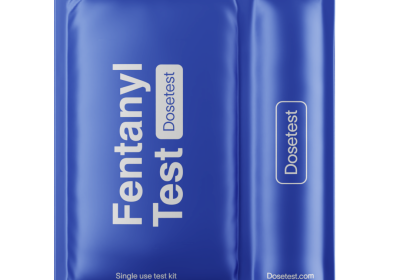
Start by understanding your product, your body, and your context: knowing the strength, form, and route of administration of Methamphetamine matters for dosing and risk. If possible, test substances with reagent test kits or drug-checking services to detect adulterants and unexpected opioids or synthetic cathinones; this simple step reduces acute overdose and poisoning risk significantly. Being informed about what you are consuming can help you make better decisions. Consider microdosing or slow, incremental dosing to find a lower effective dose and reduce negative effects like anxiety, cardiovascular strain, or psychosis. This approach allows you to gauge how your body reacts and adjust accordingly. Stay hydrated but avoid overhydration; sip water regularly and include electrolyte drinks during extended use sessions to maintain balance. It’s essential to listen to your body and recognize when it needs rest. Space out use to allow for recovery—tolerance and neurochemical depletion are real, so planned breaks, rest days, and sleep hygiene support mental and physical recovery. If you inject, follow safer injection practices: use sterile equipment, never share needles, clean skin, rotate sites, and seek supervised consumption or needle exchange programs when available to reduce infections and blood-borne virus transmission. These practices not only protect your health but also contribute to a broader community effort to reduce the spread of infectious diseases.
Reduce risks from polydrug use and environment: avoid combining Methamphetamine with depressants (like benzodiazepines or alcohol) unless you understand interactions, and be especially cautious about opioids—mixing stimulants with opioids can mask sedation and increase overdose risk; carry naloxone if there’s any chance of opioid contamination. Being aware of your surroundings and the substances you are using can significantly impact your safety. Monitor cardiovascular and mental health—seek medical attention for chest pain, strokes, severe agitation, or persistent psychosis. These symptoms should never be ignored, as they can indicate serious health issues. Practice safer settings: use with trusted people, let someone know your plans, have a sober buddy, and arrange check-ins. This social support can be invaluable in ensuring safety and providing assistance if needed. Use supportive strategies for sleep, nutrition, and mood during comedowns: light meals, magnesium and multivitamins if tolerated, calming routines, and if anxiety or depression emerge, consult a healthcare provider familiar with harm-reduction approaches. Access low-threshold services: community harm-reduction programs, drug-checking centers, peer support groups, and nonjudgmental clinics can provide sterile supplies, education, and referrals. These resources can be a lifeline for individuals seeking to navigate their substance use more safely. Practical checklist (quick reference):
- Test your meth: reagent kits or professional checking services.
- Start low and go slow with dosing; consider microdosing.
- Hydrate with electrolytes; avoid overconsumption of water.
- Take regular breaks and prioritize sleep and nutrition.
- If injecting: sterile equipment, no sharing, rotate sites.
- Avoid mixing with unknown substances; carry naloxone if opioid contamination is possible.
- Use with trusted people and arrange check-ins or a sober buddy.
- Seek harm-reduction services and medical care for concerning symptoms.