



Discover the profound impact of ketamine on society and the environment, including mental health benefits and ecological concerns. Learn key insights—read now!.
The impact on society and environment of Ketamine
The same drug that keeps a trauma patient stable on an operating table can also leave someone wandering out of a club, disoriented and barely aware of traffic. Ketamine sits in that awkward intersection between life‑saving medicine, underground party staple and, lately, overhyped “miracle” antidepressant. When a single compound shows up in emergency rooms, high-end psychiatry practices and muddy festival fields, it is obviously doing more than people think – to bodies, to communities and to the environment that quietly absorbs the waste.
Use in the general population is smaller than the cultural noise around it suggests, yet not trivial. Recent survey data indicate that around 0.3% of people aged twelve or older in the United States reported using ketamine in the past year (source). That is a minority, but a vocal and visible one, amplified by media stories about cutting-edge depression treatment and by nightlife scenes where ketamine has become a recognizable part of the menu.
At the same time, ketamine’s formal role is growing. Its global market value was estimated at about 230 million U.S. dollars in the year 2021 (source), a figure driven by both legitimate medical use and recreational demand. That number is small compared with some blockbuster drugs, yet large enough to shape manufacturing, regulation and an expanding cottage industry of ketamine clinics. Social impact, health risks, promises of psychiatric relief and the environmental footprint of making and discarding the drug are all tangled together – and it helps to untangle them before parroting the usual party or media myths.
Cost of the chemical process when producing ketamine
People like to talk about the price tag of a ketamine session or a baggie on the street, but the real cost starts much earlier, in the reactor vessels and solvent drums. Synthesizing ketamine is not magic; it is an industrial chemical process that typically relies on petroleum-derived precursors, organic solvents and significant energy input. Each step that turns a relatively simple starting compound into ketamine generates byproducts that have to go somewhere: either carefully captured and treated in a regulated facility, or casually dumped down a drain in an illegal lab. From an environmental point of view, the romanticized image of a “small batch” production is not a compliment.
In licensed pharmaceutical plants, those costs are at least partially internalized. Companies pay for compliant waste disposal, emissions controls and worker protection, all of which add layers of expense before a single vial leaves the factory. The result is a product that is more consistent and safer for medical use, but also one whose market price reflects more than just the raw materials. The estimated global market value of about 230 million dollars in 2021 (source) is built on top of all that infrastructure – reactors, scrubbers, cleanrooms and regulatory inspections that are invisible to the end user.
Illicit manufacturing tends to cut every corner it can: cheaper solvents, less purification, improvised equipment, no environmental controls. That does not magically make the underlying chemistry benign; it simply externalizes the costs to nearby waterways, soil and the people living around clandestine sites. Because these operations often relocate quickly to dodge enforcement, local ecosystems may be treated as temporary dumping grounds rather than environments to be stewarded. The irony is that the “cheap” ketamine that shows up in certain scenes is partly subsidized by whoever has to live with contaminated air and water, even if they have never touched the drug.
Ketamine production is possible everywhere
There is a persistent myth that ketamine is almost trivial to produce and that anyone with a stove and a YouTube tutorial could churn it out. Chemistry does not work that way. Proper synthesis requires specific precursors, controlled reaction conditions and at least halfway competent purification. That said, compared with highly sophisticated biologic drugs, ketamine is relatively compact as a molecule and can, in principle, be produced in a wide range of industrial environments. This flexibility is exactly what makes it such a headache for regulators and such a tempting target for smaller, less scrupulous labs.
Legal production is concentrated in facilities that can meet pharmaceutical standards, but illegal production is opportunistic. When enforcement pressure rises in one region, synthesis can be moved to another jurisdiction with weaker oversight or easier access to precursor chemicals. Each move reshuffles the environmental burden: different rivers receive the solvent waste, different workers are exposed to fumes, different communities see spikes in trafficking and associated crime. Unlike a natural plant that can only grow in specific climates, ketamine’s manufacturability allows the entire production chain to hop around the globe with uncomfortable ease.
This mobility also complicates any attempt to measure environmental impact with precision. Regulated factories can be inspected; clandestine sites, by definition, cannot. It is safe to assume that where quality control is absent, environmental control is also absent. Waste streams that might be carefully neutralized and filtered in a licensed plant are more likely to be poured untreated into sewage systems or open ground in illicit operations. So when people claim ketamine is a “cleaner” option compared with other drugs simply because of the dose size, they are ignoring the unglamorous upstream reality of chemical manufacture and waste disposal.
Ketamine can treat depression and anxiety
Unlike many party narratives, the medical story is not purely fantasy. For some people with severe mood disorders, ketamine has shown striking antidepressant effects, especially in those who have not responded to conventional treatments. A review of bipolar depression found that ketamine can trigger rapid and robust antidepressant responses, with benefits that may last up to fourteen days after a single infusion (source). That kind of speed stands in sharp contrast to the slow ramp-up of traditional antidepressants, which is exactly why clinicians – and media outlets – became so interested.
Researchers have also highlighted ketamine’s versatility. A recent review in the journal Biochemical Pharmacology noted that ketamine has a wide range of clinical uses beyond anesthesia, including the management of acute and chronic pain and treatment of psychiatric disorders such as major depression (source). That broader context matters: ketamine is not some fringe psychedelic curiosity but an established medical tool whose psychiatric applications are still being refined. Yet having a tool and knowing exactly how to use it safely and fairly are two different things, and psychiatry is still in the “learning how to use it” phase.
Experts are not shy about saying so. Dr. Elizabeth Moore, president of the Royal Australian and New Zealand College of Psychiatrists, has pointed out that as an emerging treatment there is currently limited guidance translating research findings into clinical practice (source). That is a polite way of warning that media narratives and marketing from private clinics are racing ahead of the evidence and the guidelines. The ketamine clinic market is already projected to expand substantially between the years 2025 and 2032 (source), which tells you the business world is treating ketamine more like a growth opportunity than a cautious experiment.
It is a great recreational drug
The flattering version of the story goes like this: ketamine is a “smart” recreational choice because it does not suppress breathing as aggressively as some other drugs, and the dissociative state feels profound, introspective, even spiritual. That is the sales pitch. It conveniently leaves out the less poetic realities – physical instability, blackouts, memory gaps, urinary tract damage with heavy use and the delightful experience of vomiting while barely connected to one’s own body. Calling it a “great” recreational drug is a bit like calling a chainsaw a “great” kitchen gadget because it cuts fast; technically true, but missing the point about risk.
Hospitals see the unedited version. In the United States, there were reported to be one thousand five hundred fifty emergency department visits involving ketamine in the year 2011, and more than seventy percent of those visits also involved alcohol use (source). That combination – a dissociative anesthetic plus a legal central nervous system depressant – is an efficient way to increase disorientation, falls and other accidents. It is not that a single recreational session automatically sends someone to the emergency department, but the idea that ketamine use happens in some tidy, controlled vacuum is wishful thinking. People mix substances, misjudge doses and forget how limited their coordination and awareness actually are.
There is also the less visible psychological side. A study of individuals with self-identified ketamine use disorder found that among a group of two hundred seventy-four people, more than half reported a diagnosed mental health disorder (source). Recreational use often overlaps with attempts at self-medication for anxiety, depression or trauma. That cocktail of unaddressed mental health issues plus a dissociative drug can turn “recreational” into something more desperate and repetitive, which is precisely how patterns of harm develop. If someone is using ketamine as their primary escape hatch from an unmanageable mood state, calling it “great” recreation is more denial than description.
Ketamine is very popular in techno parties
Anyone who has spent time in certain club scenes will have heard ketamine talked about as casually as caffeine. Techno venues in particular often glamorize that slow, floaty, out-of-body feeling as if it were just another lighting effect. The reality is more uneven. While ketamine is certainly present in some techno scenes, population-level data still suggest that only a small fraction of people report using it in a given year: around 0.3% of individuals aged twelve or older in the United States, according to one estimate (source). In other words, ketamine’s cultural footprint inside certain subcultures is much larger than its footprint in the broader public.
Inside those subcultures, social dynamics, not pure pharmacology, drive popularity. When respected DJs, influencers or “experienced” users talk about ketamine as a way to “deepen” the music or make long nights more tolerable, they implicitly normalize a drug that significantly impairs balance, spatial awareness and reaction time. On a tightly packed dance floor or in a warehouse with questionable safety infrastructure, that matters. It takes only a few highly intoxicated people to create hazards: falls from platforms, collisions, getting lost on the way to basic amenities. Add in the all-too-common mixing with alcohol – which, recall, showed up in more than seventy percent of ketamine-related emergency department visits in one U.S. dataset (source) – and the “fun” quickly becomes an occupational hazard for security staff and medics.
Then there is the environmental angle that club culture rarely acknowledges. Large parties already generate serious waste: single-use plastics, discarded outfits, abandoned tents and a fog of emissions from travel and sound systems. Adding ketamine to the mix introduces additional chemical residues via bodily fluids and improper disposal of leftover powder or vials. Wastewater treatment plants are not designed with club drugs in mind; even if the concentrations are low, they contribute to the broader cocktail of pharmaceuticals making their way through aquatic ecosystems. It is fashionable to talk about “sustainable festivals,” but sustainability talk tends to stop at recycling bins, not at what ends up dissolved in the groundwater after a long weekend.
There is no risk getting addicted on ketamine
This is the laziest and most dangerous myth in circulation, often repeated with a smugness that suggests people have not bothered to read even the most basic research. Ketamine absolutely can lead to problematic, compulsive patterns of use, even if its withdrawal profile looks different from that of classic opioids or alcohol. A study of two hundred seventy-four individuals who self-identified as having ketamine use disorder found that about fifty-nine percent reported a diagnosed mental health condition (source). That is not a portrait of a harmless pastime; it is a snapshot of how ketamine use can entangle itself with pre-existing psychological vulnerabilities.
The mechanism of harm is not mysterious. Repeated use can create powerful psychological reinforcement: the world feels intolerable, ketamine provides rapid escape, and the brain learns that dissociation is the easiest route away from distress. Over time, doses tend to creep up as people chase the early intensity, and normal life starts to look flat, meaningless or unbearable without the drug. That is addiction territory, regardless of whether there are classic withdrawal tremors. On top of that, heavy users risk chronic bladder issues and cognitive changes, which are rarely part of the rosy “no addiction risk” marketing from peers and some clinics.
On the medical side, pretending ketamine is non-addictive also undermines responsible therapeutic use. Clinicians already have to navigate a landscape where media hype, commercial clinic growth and desperate patients collide. The ketamine clinic market is forecast to grow strongly between 2025 and 2032 (source), and without a sober understanding of dependence risk, that growth could easily tilt toward overuse. When someone insists that there is “no risk” of addiction, what they are really saying is that they have not looked closely at the data, the emergency department records or the people quietly struggling to stop. The drug itself is neither angel nor demon, but treating it as risk-free is a reliable way to turn it into a problem.

The substances are rated by experts on drugs and addiction. Most drugs are researched upon and feedback has been gathered from users with experience. When possible we have also tried to gather knowledge from people involved in the chemical process and distribution to get a better picture on the overall impact.
Facts and Education

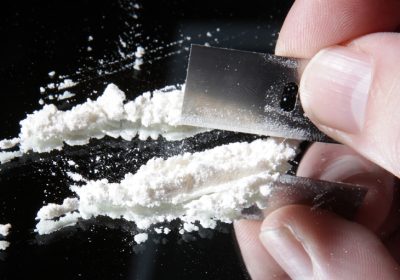
Cocaine
Cocaine has a high envirnomental impactCocaine is still one of the most widely used drugs on the planet — about 20 million people used it in 2019, mostly in North America and Europe.But the whole cocaine trade comes with a huge environmental cost. Growing, moving,…

Cannabis
Cannabis restore soil Cannabis enthusiasts like to talk about relaxation and creativity; farmers and environmental scientists tend to be more interested in the plant’s roots. Literally. Hemp, a variety of cannabis, sends down deep roots that stabilize soil, help prevent erosion and improve soil structure…
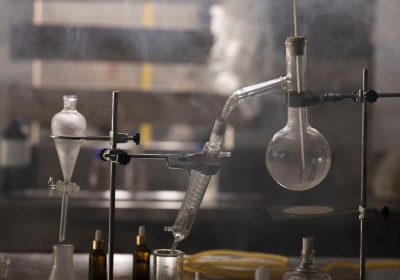
Amphetamine
Amfetamin impact Switching from plants to amphetamine is like moving from a garden to a chemistry lab. Amphetamine is not grown; it is synthesized. That alone shifts the environmental profile from fields and soil to reactors, solvents, precursor chemicals and waste management. The debate usually…
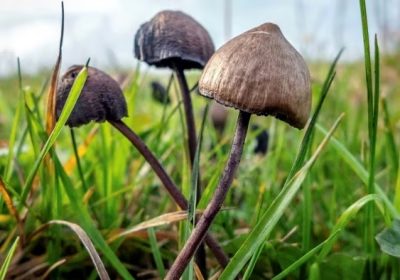
Psilocybin
Psilocybin could not be more different from amphetamine in origin or social mythology. Instead of shiny blister packs and clandestine labs, the source is something most people step over in forests and fields: mushrooms. That simplicity does not make psilocybin harmless or universally safe, but…