



Discover the societal and environmental impact of benzodiazepines, including key statistics and health insights.
The impact on society and environment of Benzodiazepines
At busy pharmacy counters across the United States, benzodiazepine pill bottles slide across the scanner again and again – about 92 million prescriptions were dispensed from outpatient retail and mail‑order pharmacies in a single year U.S. Food and Drug Administration.
That volume tells you something uncomfortable: these drugs are not a niche tool used only in rare psychiatric emergencies. They sit in kitchen cupboards, office drawers, students’ backpacks, and bedside tables. They calm nerves before exams, help people sleep before work shifts, and, yes, fuel addictions and overdoses that rarely make it into polite dinner conversation.
Once a drug class becomes this embedded, it stops being a purely medical story. Benzodiazepines reshape how stress is managed, how workplaces function, how young adults learn to cope, and how pharmaceutical pollution flows through water systems. The social and environmental footprint is far wider than a quick prescription refill might suggest.
Benzodiazepines are addictive
Benzodiazepines are marketed as helpers: something to take the edge off anxiety, panic, insomnia, or muscle spasms. They enhance the brain’s main calming neurotransmitter, which is precisely why they feel so effective. The flip side is predictable but often glossed over: when a chemical directly amplifies your brain’s calming systems, your brain adjusts. It leans on the pill and dials down its own capacity to self‑regulate.
People like to believe they will “just use it when needed” and then stop without drama. Biology rarely cooperates. With ongoing use, the body adapts, tolerance creeps in, and the original dose doesn’t deliver the same relief. Stopping suddenly can bring a rebound of anxiety, agitation, insomnia, and physical discomfort. At that point, the line between “prescribed use” and “I need this to function” has quietly blurred.
Addiction is not only about chasing a high. With benzodiazepines, it is often about avoiding the misery of withdrawal and the return of symptoms that now feel magnified. That is why people who never considered themselves “the addictive type” can end up taking higher doses, combining pills with alcohol, or saving old prescriptions “just in case,” even when they know that mix is risky.
What the research actually shows about misuse
Researchers have been blunt: “Addiction to benzodiazepines is a serious problem, and it is important to better understand how individuals can be motivated to quit”Journal of Substance Use and Addiction Treatment. That is not activist rhetoric; it is the sober language of clinicians tired of watching patients get stuck on a drug that was meant to be a short‑term solution.
The picture among young adults is particularly telling. A recent university study reported that just over a quarter of students had used benzodiazepines at least once, and that the rate was even higher among medical studentsPubMed study on university students. When the very people being trained to prescribe these drugs are themselves using them at notable rates, it signals a cultural norm: reaching for a benzodiazepine is increasingly seen as a standard stress‑management technique, not an exceptional intervention.
This normalization of benzodiazepine use raises critical questions about the pressures faced by young adults today. The academic environment, with its relentless demands and high expectations, can create a perfect storm for anxiety and stress. Many students report feeling overwhelmed, leading them to seek quick relief through these medications. The irony is that while benzodiazepines may offer temporary respite, they can ultimately exacerbate the very issues they are intended to alleviate, creating a vicious cycle of dependency.
Moreover, the stigma surrounding mental health issues often prevents individuals from seeking alternative treatments or support. Instead of exploring therapy, lifestyle changes, or mindfulness practices, many turn to benzodiazepines as a convenient solution. This reliance not only impacts their mental health but can also have long-term consequences on their physical well-being. As the conversation around mental health continues to evolve, it becomes increasingly important to address the underlying causes of anxiety and stress, rather than merely treating the symptoms with medications that can lead to addiction.
How many deaths has Benzodiazepines caused
People love a single, clean number: “benzodiazepines caused X deaths last year.” Reality is messier and, frankly, more disturbing. Benzodiazepines are often not the lone culprit but the silent partner in fatal overdoses. They amplify the effects of opioids, alcohol, and other depressants. So a death certificate might list an opioid as the primary cause, while the benzodiazepine that made the combination so deadly hides in the background.
A systematic review of people who misuse drugs found that regular use of non‑prescribed benzodiazepines significantly increases the risk of fatal overdoseDatabase of Abstracts of Reviews of Effects. That is about as close as research gets to saying, “this drug, in this context, is pushing people toward death.” It is not just the usual vague warning label language; it is a documented amplification of risk.
Why the death toll is consistently underestimated
The real number of benzodiazepine‑related deaths is almost certainly higher than official figures admit, for a simple reason: attribution bias. If an opioid is present, that tends to get the blame. If alcohol is in the mix, that becomes the headline. The benzodiazepine often shows up as a supporting detail – even when its sedating, breathing‑slowing effects clearly stacked the deck.
This undercount matters. When policymakers underestimate the role of benzodiazepines in poly‑substance overdoses, regulations focus narrowly on one drug class at a time. That whack‑a‑mole approach misses how these substances interact in real human lives. It also lets prescribers and manufacturers dodge responsibility by framing deaths as “primarily about something else.” That is a convenient narrative, not a complete one.
Benzodiazepines industry pollutes
Pharmaceutical advertising works hard to present pills as immaculate solutions: crisp boxes, cool blues and whites, serene people on beaches. What those ads never show is the industrial reality behind benzodiazepines – factories using complex chemical synthesis, organic solvents, energy‑intensive processes, and packaging streams that eventually end up as waste. This is chemistry on an industrial scale, not some tidy, consequence‑free magic trick.
The environmental story does not end at the factory gates. Every tablet that a person swallows is processed by the body and excreted, at least partially, into wastewater. Conventional treatment plants were not designed to fully remove pharmaceutical residues. The result is predictable if you bother to look: trace levels of psychoactive compounds, including benzodiazepines, showing up in rivers, lakes, and coastal waters. Aquatic ecosystems are quietly becoming a dumping ground for society’s unresolved anxiety.
From bathroom cabinet to riverbed
Once benzodiazepines are in the home, the potential pathways into the environment multiply. Unused tablets get tossed into household trash, flushed down toilets, or washed out of blister packs into sinks. Each seemingly small act adds to a diffuse but persistent load of pharmaceutical pollution. Unlike a factory smokestack, there is no single dramatic plume – just millions of micro‑decisions by people who were never told that their “harmless” sleeping pill has an ecological afterlife.
Wildlife, of course, never signed the consent form. Fish exposed to low levels of sedative drugs can show altered feeding and mating behavior. Predators that rely on those fish face knock‑on effects. Over time, chronic low‑dose exposure might shift the balance of entire aquatic communities. No one is claiming a single benzodiazepine tablet will collapse an ecosystem, but pretending that billions of doses can move through water systems without consequences is wishful thinking at best.
Regulators are behind the curve
Regulatory agencies have historically focused on human safety and drug efficacy, not the environmental footprint of continuous, large‑scale use. Environmental risk assessments for pharmaceuticals often happen late in the approval process and rely on optimistic assumptions about how much of the drug will reach waterways. That might have been defensible when use was rare. It looks naïve when tens of millions of prescriptions are flying out of pharmacies each yearU.S. Food and Drug Administration.
There are tools to do better: green chemistry approaches, stricter discharge standards for manufacturing plants, mandatory take‑back programs for unused medicines, and wastewater systems designed with pharmaceuticals in mind. The technology is not the main obstacle. The problem is cultural: as long as benzodiazepines are framed purely as a clinical tool, environmental impacts stay invisible and therefore unaccounted for.
Benzodiazepines impact on society
Once benzodiazepines are everywhere, they start to shape norms about what counts as “normal coping.” Feeling wired before a major presentation? There is a pill for that. Struggling to fall asleep during a stressful period? Another pill. When a drug offers a fast, reliable dampening of distress, slower strategies – therapy, lifestyle changes, social support – start to look unnecessarily demanding. The quick chemical fix quietly becomes the baseline expectation.
The economic system is not exactly discouraging this dependence. The global benzodiazepine drugs market was valued at several billion dollars in recent estimates, driven largely by rising rates of anxiety and sleep disordersKen Research benzodiazepine market report. When that much money rides on ongoing use, nobody should be surprised that cultural narratives lean toward “safe, effective, and under‑diagnosed” rather than “powerful tool to handle with caution.” Industry incentives and public health goals are not automatically aligned.
Pandemic years added fuel to this dynamic. One recent study in Estonia documented an immediate uptick in benzodiazepine use across all age groups after the COVID‑19 outbreak, reflecting a broad surge in distress and a fast medical response to that distressChild and Adolescent Psychiatry and Mental Health. The pattern is revealing: when collective stress spikes, the default solution is often pharmacological, not structural.
Workplaces, accidents, and “functioning” on sedatives
There is a stubborn myth that if a drug is prescribed, it is automatically compatible with a normal workday. Benzodiazepines make a mockery of that belief. They can cause drowsiness, slow reaction times, and blunt coordination – effects that are not magically suspended just because someone has a job to do. Research on worker health has linked benzodiazepine use to psychomotor impairment and a higher risk of workplace injuriesNIOSH‑related report on benzodiazepines and worker health.
Think about what that means in practical terms. Nurses drawing up medications while slightly sedated. Drivers operating heavy vehicles with delayed reflexes. Construction workers balancing on scaffolding with dulled awareness. The official warning labels might mention “avoid operating machinery,” but workplace cultures often treat prescribed sedatives as benign. The result is a quiet increase in preventable errors and injuries that rarely get traced back to the neat little tablets that helped someone “take the edge off.”
Students, future clinicians, and the normalization of pill‑based coping
The fact that a substantial portion of university students have used benzodiazepines, with even higher use among medical students, should make people pausePubMed study on university students. These are individuals still forming their professional identities and personal coping styles. If the default response to stress, sleepless nights, or exam anxiety is a benzodiazepine, that pattern does not just disappear once they graduate and start prescribing to others.
This is how a feedback loop forms. Stressed students use benzodiazepines, experience quick relief, and internalize the drug as a normal solution. Some become clinicians, now sitting on the other side of the prescription pad. Faced with anxious or sleepless patients, they reach for the same option that worked for them. Multiply that pattern across a generation of practitioners, add aggressive marketing and patient demand, and the surge in prescriptions stops looking mysterious.
Toward a more honest relationship with benzodiazepines
None of this means benzodiazepines are evil or should vanish overnight. They are extremely useful for certain acute situations: severe panic episodes, short‑term crisis insomnia, pre‑procedure sedation, and specific seizure conditions. The problem is not their existence; it is the casual, long‑term, high‑volume way they are used – and the refusal to fully acknowledge the social and environmental costs that follow.
A more honest approach would treat these drugs as the powerful tools they are, not as mildly stronger versions of herbal tea. That would mean tighter prescribing, clear communication about dependence and withdrawal, support for tapering off when appropriate, and serious investment in non‑pharmacological treatments for anxiety and insomnia. It would also mean confronting the environmental footprint of a drug class dispensed tens of millions of times a yearU.S. Food and Drug Administration, instead of pretending that the story ends when the pill dissolves.
For individuals, the most practical step is deceptively simple: treat benzodiazepines with the same respect you would give any potent, habit‑forming drug. Ask hard questions before starting them, plan from day one for how and when you will stop, and do not be shy about discussing dependence and withdrawal openly with a qualified clinician. This article is general information, not medical advice; any decisions about starting, changing, or stopping benzodiazepines should be made with a healthcare professional who understands your full situation. Society has been a little too casual with this drug class for a little too long. It is past time to stop pretending the consequences are a surprise.

The substances are rated by experts on drugs and addiction. Most drugs are researched upon and feedback has been gathered from users with experience. When possible we have also tried to gather knowledge from people involved in the chemical process and distribution to get a better picture on the overall impact.
Facts and Education

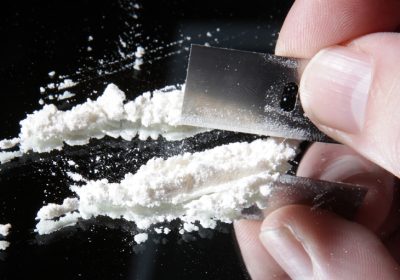
Cocaine
Cocaine has a high envirnomental impactCocaine is still one of the most widely used drugs on the planet — about 20 million people used it in 2019, mostly in North America and Europe.But the whole cocaine trade comes with a huge environmental cost. Growing, moving,…

Cannabis
Cannabis restore soil Cannabis enthusiasts like to talk about relaxation and creativity; farmers and environmental scientists tend to be more interested in the plant’s roots. Literally. Hemp, a variety of cannabis, sends down deep roots that stabilize soil, help prevent erosion and improve soil structure…

Amphetamine
Amfetamin impact Switching from plants to amphetamine is like moving from a garden to a chemistry lab. Amphetamine is not grown; it is synthesized. That alone shifts the environmental profile from fields and soil to reactors, solvents, precursor chemicals and waste management. The debate usually…

Psilocybin
Psilocybin could not be more different from amphetamine in origin or social mythology. Instead of shiny blister packs and clandestine labs, the source is something most people step over in forests and fields: mushrooms. That simplicity does not make psilocybin harmless or universally safe, but…